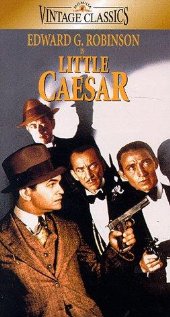

Little Caesar (1931) |
|
| Director(s) | Mervyn LeRoy |
| Producer(s) | Hal B. Wallis (uncredited), Darryl F. Zanuck (uncredited) |
| Top Genres | Crime, Drama |
| Top Topics | Book-Based, Gangsters, Pre-Code Cinema |
Featured Cast of Little Caesar See More »
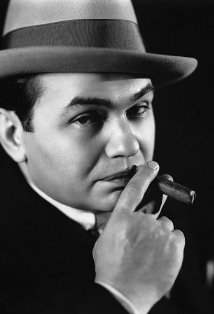
Little Caesar
Released
1931
Edward G. Robinson
(as Little Caesar)

Little Caesar
Released
1931
Douglas Fairbanks Jr.
(as Joe Massara)
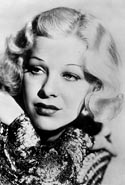
Little Caesar
Released
1931
Glenda Farrell
(as Olga Stassoff)
Little Caesar
Released
1931
William Collier Jr.
(as Tony Passa)

Little Caesar
Released
1931
Sidney Blackmer
(as Big Boy)

Little Caesar
Released
1931
Ralph Ince
(as Pete Montana)
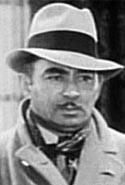
Little Caesar
Released
1931
Maurice Black
(as Little Arnie Lorch)
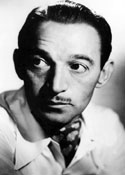
Little Caesar
Released
1931
George E. Stone
(as Otero)
Little Caesar Overview:
Little Caesar (1931) was a Crime - Drama Film directed by Mervyn LeRoy and produced by Hal B. Wallis and Darryl F. Zanuck.
The film was based on the novel of the same name written by W.R. Burnett published in 1924.
SYNOPSIS
This role made Robinson a star and set the standard for the innumerable Warner gangster pics that followed. The familiar story (based loosely on the career of Al Capone) follows the rise of Rico Bandello from street tough to emperor of gangland - and his equally rapid fall from power. Robinson's two-fisted performance and trademark delivery, see, erased memories of his 15-year career on Broadway and made it hard for Hollywood to see him as anything but a ruthless mobster for years.
(Source: available at Amazon AMC Classic Movie Companion).
Little Caesar was inducted into the National Film Registry in 2000.
Academy Awards 1930/31 --- Ceremony Number 4 (source: AMPAS)
| Award | Recipient | Result |
| Best Writing | Francis Faragoh, Robert N. Lee | Nominated |
Little Caesar BlogHub Articles:
Little Caesar (1931)
When I was a kid we had an old VHS of Bugs Bunny shorts and one of the caricatures in a gangster-themed storyline — although I didn’t know it at the time — was undoubtedly Edward G. Robinson. That voice. That mug. That smug self-assuredness. They’re inimitable. Even then I kn... Read full article
Little Caesar (1931)
image source Little Caesar (1931) is one of the original gangster films and influenced the movies in that genre that were to come. It was directed by Mervyn LeRoy and based on a novel by W. R. Burnett. Edward G. Robinson stars as Little Caesar aka Rico, a small time gangster looking to make it bi... Read full article
Little Caesar (1931)
image source Little Caesar (1931) is one of the original gangster films and influenced the movies in that genre that were to come. It was directed by Mervyn LeRoy and based on a novel by W. R. Burnett. Edward G. Robinson stars as Little Caesar aka Rico, a small time gangster looking to make it bi... Read full article
See More Little Caesar Articles