

The Wizard of Oz (1939) |
|
| Director(s) | Victor Fleming, Mervyn LeRoy (uncredited), King Vidor (uncredited) |
| Producer(s) | Mervyn LeRoy, Arthur Freed (uncredited) |
| Top Genres | Adventure, Drama, Family, Fantasy, Musical |
| Top Topics | Book-Based, Exotic Lands |
Featured Cast of The Wizard of Oz See More »
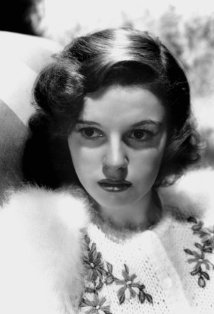
The Wizard of Oz
Released
1939
Judy Garland
(as Dorothy Gale)
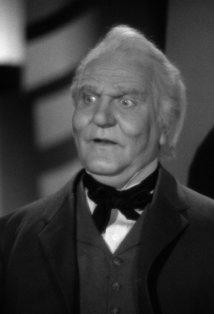
The Wizard of Oz
Released
1939
Frank Morgan
(as Professor Marvel / The...)
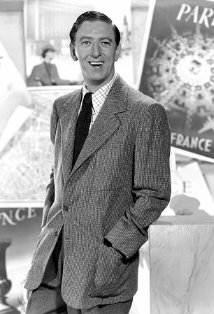
The Wizard of Oz
Released
1939
Ray Bolger
(as Hunk / The Scarecrow)
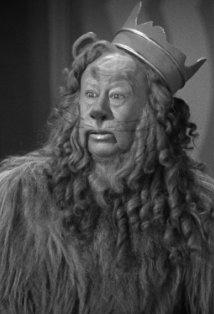
The Wizard of Oz
Released
1939
Bert Lahr
(as Zeke / The Cowardly Li...)
The Wizard of Oz
Released
1939
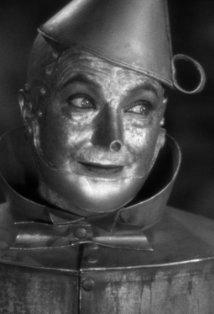
Jack Haley
(as Hickory / The Tin Man)
The Wizard of Oz
Released
1939
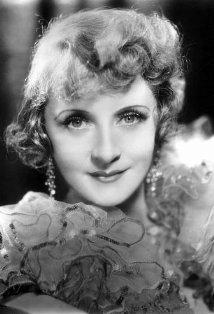
Billie Burke
(as Glinda)
The Wizard of Oz
Released
1939
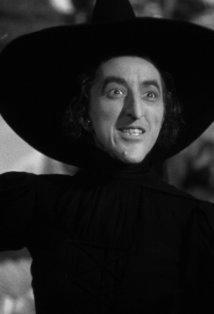
Margaret Hamilton
(as Miss Gulch / The Wicke...)
The Wizard of Oz
Released
1939
Charles Grapewin
(as Uncle Henry)
The Wizard of Oz Overview:
The Wizard of Oz (1939) was a Adventure - Family Film directed by Victor Fleming, Mervyn LeRoy (uncredited) and King Vidor (uncredited) and produced by Mervyn LeRoy and Arthur Freed.
The film was based on the novel The Wonderful Wizard of Oz and also Musical written by L. Frank Baum published in 1900 (novel); Jan 20, 1903 - Oct 3, 1903 (play performed at Majestic Theatre, NY).
SYNOPSIS
Treasured by millions with each new screening, this colorful musical fantasy defines for many the greatest achievements of Hollywood's classic period. MGM put every resource into the production, from dazzling Technicolor (an early use of the three-strip process; the colors astonished audiences of the day), marvelous songs from Arlen and Harburg that would become standards, a star-making performance from Garland (actually the studio's third choice for the role), and the thousands of studio artisans who created hundreds of costumes and 70 sets for an ambitious, months-long production led by three of the studio's most-trusted directors (and early sequences, not in the final cut, by Richard Thorpe). The result follows a Kansas farm girl (Garland) who escapes her black-and-white life and Hamilton's threat to do away with her beloved dog, Toto, to a Technicolor world that lies over the rainbow. After becoming the hero of Munchkin Land, Garland and Toto link arms with Bolger, Haley, and Lahr (the Scarecrow, Tin Man, and Cowardly Lion) to place each of their desires in front of the fabled Wizard, desires that they learn are really always within their reach. One of the classics that rewards each viewing. The special 50th anniversary video edition includes 17 minutes of extra footage, including Ray Bolger's scarecrow dance and the rehearsal and sound track from the jitterbug dance, both of which were edited out of the film; Buddy Ebsen (the initial Tin Man) performing "If I Only Had a Heart"; Judy Garland receiving her Oscar; the original theatrical promotional trailer; and a 32-page souvenir booklet.
(Source: available at Amazon AMC Classic Movie Companion).
The Wizard of Oz was inducted into the National Film Registry in 1989.
Academy Awards 1939 --- Ceremony Number 12 (source: AMPAS)
| Award | Recipient | Result |
| Best Art Direction | Cedric Gibbons, William A. Horning | Nominated |
| Best Cinematography | Hal Rosson | Nominated |
| Best Music - Scoring | Herbert Stothart | Won |
| Best Music - Song | Music by Harold Arlen; Lyrics by E. Y. Harburg | Won |
| Best Picture | Metro-Goldwyn-Mayer | Nominated |
The Wizard of Oz BlogHub Articles:
Mysteries of Oz Documentary Celebrates 85th Anniversary of The Wizard of Oz
Hollywood’s crowning achievement is its greatest enigma Here’s some exciting news for The Wizard of Oz fans (and who isn’t :)) Coming Soon! Mysteries of Oz: 85 Questions Answered is a new documentary from AMS Pictures that explores the magic, music, and myths surrounding the ... Read full article
Cinemallennials: The Wizard of Oz (1939)
Cinemallennials: The Wizard of Oz (1939) For those of you who are unfamiliar with Cinemallennials, it is a bi-weekly podcast in which I, and another millennial, watch a classic film that we’ve never seen before, and discuss its significance and relevance in today’s world. In this... Read full article
Silver Screen Standards: The Wizard of Oz (1939)
For the very first post of a column called “Silver Screen Standards,” I can’t think of a better choice than The Wizard of Oz (1939), a film that continues to delight and amaze viewers of all ages eighty years after its original release. People often ask me to name my favorite movie, a request ... Read full article
Book Review: “The Wizard of OZ FAQ: All That’s Left To Know About Life According To Oz”
Book Review: “The Wizard of OZ FAQ: All That’s Left To Know About Life According To Oz” Just when you thought you knew everything there was to know about The Wizard of Oz, here’s a book to inform you how little you actually do know about the classic film. Released durin... Read full article
Win Tickets to see “TCM Big Screen Classics: The Wizard of Oz 80th Anniversary” (Giveaway runs now through Jan 13)
Win tickets to see “The Wizard of Oz” on the big screen! In Select Cinemas Nationwide Sun Jan 27, Tues Jan 29, Wed Jan 30 “Toto, I’ve a feeling we’re not in Kansas any more.” CMH continues into our 4th year of our partnership with Fathom Events - with the 1st of our 14 movie ... Read full article
See More The Wizard of Oz Articles
The Wizard of Oz Quotes:
Dorothy: A place where there isn't any trouble. Do you suppose there is such a place, Toto? There must be. It's not a place you can get to by a boat or a train. It's far, far away. Behind the moon, beyond the rain...
Dorothy: Well, I - I think that it - it wasn't enough to just want to see Uncle Henry and Auntie Em - and it's that - if I ever go looking for my heart's desire again, I won't look any further than my own back yard. Because if it isn't there, I never really lost it to begin with! Is that right?
Tin Woodsman: [indiscernible sounds from the Tin Man, who is rusted]
Dorothy: He said oil can!
Scarecrow: Oil can what?
Dorothy: Oil can.