

Cimarron (1931) |
|
| Director(s) | Wesley Ruggles (uncredited) |
| Producer(s) | Wesley Ruggles, William LeBaron, Louis Sarecky |
| Top Genres | Drama, Epic, Film Adaptation, Western |
| Top Topics | Book-Based, Frontier, Newspapers, Pre-Code Cinema |
Featured Cast of Cimarron See More »
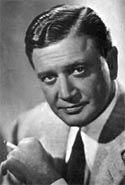
Cimarron
Released
1931
Richard Dix
(as Yancey Cravat)
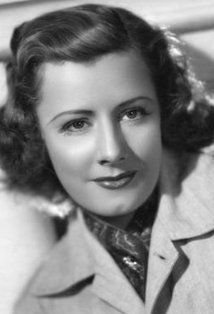
Cimarron
Released
1931
Irene Dunne
(as Sabra Cravat)
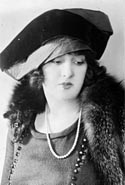
Cimarron
Released
1931
Estelle Taylor
(as Dixie Lee)
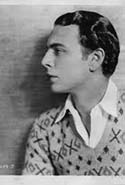
Cimarron
Released
1931
William Collier Jr.
(as The Kid)
Cimarron
Released
1931
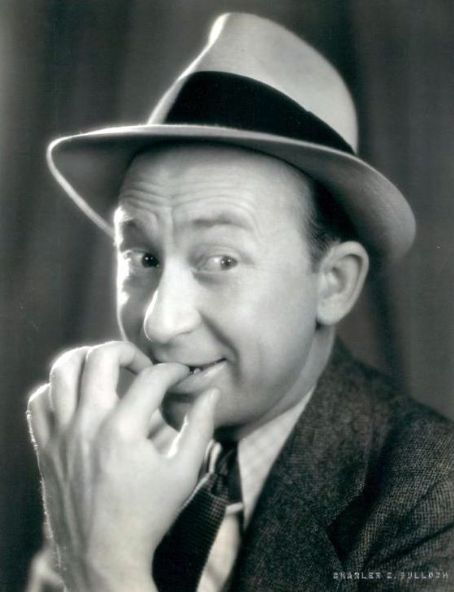
Roscoe Ates
(as Jesse Rickey)
Cimarron
Released
1931
George E. Stone
(as Sol Levy)
Cimarron
Released
1931
Robert McWade
(as Louis Hefner)
Cimarron
Released
1931
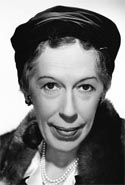
Edna May Oliver
(as Mrs. Tracy Wyatt)
Cimarron Overview:
Cimarron (1931) was a Drama - Western Film directed by Wesley Ruggles (uncredited) and produced by Wesley Ruggles, William LeBaron and Louis Sarecky.
The film was based on the novel of the same name written by Edna Ferber published in 1929.
SYNOPSIS
The Best Picture of 1931 chronicles one family's experiences in the restless days of settling the American West. Adapted from Edna Ferber's sweeping novel, the story tracks the growth of an Oklahoma town and the homesteaders who came there from the 1890s through the 1920s. Remade in 1960.
(Source: available at Amazon AMC Classic Movie Companion).
Academy Awards 1960 --- Ceremony Number 33 (source: AMPAS)
| Award | Recipient | Result |
| Best Actor | Richard Dix | Nominated |
| Best Actress | Irene Dunne | Nominated |
| Best Art Direction | Max Rée | Won |
| Best Cinematography | Edward Cronjager | Nominated |
| Best Director | Wesley Ruggles | Nominated |
| Best Picture | RKO Radio | Won |
| Best Writing | Howard Estabrook | Won |
| Best Art Direction | Art Direction: George W. Davis, Addison Hehr; Set Decoration: Henry Grace, Hugh Hunt, Otto Siegel | Nominated |
Cimarron BlogHub Articles:
Cimarron (1)
Cimarron (1931) This week I will review two Best Picture winners that had they been released in another year would not have stood a chance for the Academy’s top award. First is the 1931 winner Cimarron. This western about settling the Oklahoma territory is also the saga of a family confounded ... Read full article
Best Picture Winner 1930/1931: Cimarron
Edna Ferber and Cimarron are not remembered especially fondly, at least in critical circles. Ferber’s New York Times obituary read, “Her books were not profound, but they were vivid and had a sound sociological basis. She was among the best-read novelists in the nation, and critics of the 1920s ... Read full article
Classic Films in Context: Cimarron 1931
Classic Films in Context: Cimarron 1931 First edition of the classic In 1929, author Edna Ferber (1885 – 1968) published a colossal bestseller about the settling of what would eventually become Oklahoma. Ferber, who grew up in Appleton, Wisconsin, saw first-hand the settling and develo... Read full article
Classic Films in Context: Cimarron 1931
Classic Films in Context: Cimarron 1931 First edition of the classic In 1929, author Edna Ferber (1885 – 1968) published a colossal bestseller about the settling of what would eventually become Oklahoma. Ferber, who grew up in Appleton, Wisconsin, saw first-hand the settling and develo... Read full article
Cimarron (2)
Today our elders may tell stories from WWII or The Great Depression; it’s rare to find anyone alive to tell us about the first World War. Children of the 1930’s could hear stories of the old west from their grandparents. Tales of covered wagons across the plains and the wild unsettled land o... Read full article
See More Cimarron Articles
Cimarron Quotes:
Sabra Cravat: But you didn't! They can't say so! You shot him there nicely in the ear, darling.
Yancy Cravat: Well, you shouldn't interfere when men are having a little friendly shootin'.
Yancy Cravat: I'd rather plead to a Texas jury than preach to this gang.