

The Jazz Singer (1927) |
|
| Director(s) | Alan Crosland |
| Producer(s) | Jack L. Warner |
| Top Genres | Drama, Musical, Romance |
| Top Topics | Based on Play, Broadway, Fame, Father Son, Romance (Drama), Show Business |
Featured Cast of The Jazz Singer See More »
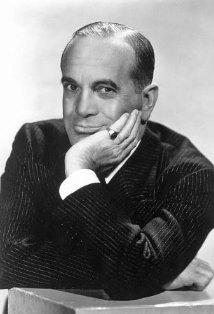
The Jazz Singer
Released
1927
Al Jolson
(as Jakie Rabinowitz)

The Jazz Singer
Released
1927
May McAvoy
(as Mary Dale)

The Jazz Singer
Released
1927
Warner Oland
(as The Cantor)
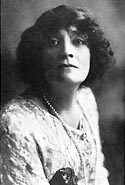
The Jazz Singer
Released
1927
Eugenie Besserer
(as Sara Rabinowitz)

The Jazz Singer
Released
1927
Richard Tucker
(as Harry Lee)

The Jazz Singer
Released
1927
William Demarest
(as Buster Billings)

The Jazz Singer
Released
1927
Roscoe Karns
(as Agent)

The Jazz Singer
Released
1927
Myrna Loy
(as Chorus Girl)
The Jazz Singer Overview:
The Jazz Singer (1927) was a Drama - Musical Film directed by Alan Crosland and produced by Jack L. Warner.
The film was based on the short story The Day of Atonement written by Samson Raphaelson published in Everybody's Magazine and as a Stage Play "The Jazz Singer" (Jan 1922 (magazine) and Sep 14, 1925 - Jun 1926 (play performed at Fulton Theatre, NY)).
SYNOPSIS
A cinema landmark, this is the film most identified with the coming of sound. Though sound schemes had been envisioned at the dawn of motion pictures (even sound-on-film techniques similar to modern methods), The Jazz Singer made the commercial potential of sound apparent. The major studios had resisted disrupting the profitable silent-film production engine that had only recently been standardized, and making the huge investment required retrofitting studios and theaters for sound. Sam Warner must be credited with taking a chance on a sound-on-disk system developed by their Vitaphone subsidiary; he died just before the thronged premiere that proved his prescience. The first Vitaphone feature film depicts the dilemma of a cantor's son who garners show business success over his father's objections. With the line, "You ain't heard nuthin' yet!," movie history changed forever. Note that The Jazz Singer is mostly silent, with just some Jolson ad-libbed asides in addition to the synch-sound (more or less) musical segments. The first all-talking feature was Lights of New York, a squalid little potboiler that featured dialogue in 22 scenes. Songs include "Mammy," "Toot, Toot, Tootsie," "Blue Skies," and more.
(Source: available at Amazon AMC Classic Movie Companion).
The Jazz Singer was inducted into the National Film Registry in 1996.
Academy Awards 1952 --- Ceremony Number 25 (source: AMPAS)
| Award | Recipient | Result |
| Best Writing | Alfred Cohn | Nominated |
| Special Award | To Warner Bros., for producing The Jazz Singer, the pioneer outstanding talking picture, which has revolutionized the industry. | Won |
| Best Music - Scoring | Ray Heindorf, Max Steiner | Nominated |
The Jazz Singer BlogHub Articles:
Musical Monday: The Jazz Singer (1952)
It’s no secret that the Hollywood Comet loves musicals. In 2010, I revealed I had seen 400 movie musicals over the course of eight years. Now that number is over 500. To celebrate and share this musical love, here is my weekly feature about musicals. This week’s musical: Jazz Singer (1952) – M... Read full article
THE JAZZ SINGER ( 1927 )
MUSICAL MONTH THE JAZZ SINGER ( 1927 ) My parents have always been avid fans of Neil Diamond, and growing up I became accustomed to his music, later becoming an ardent supporter of his work myself. When I was younger they purchased the 1980 remake of “The Jazz Singer” which stars Neil Di... Read full article
Classic Films in Focus: THE JAZZ SINGER (1927)
If people think of Al Jolson at all today, they think of him in blackface, belting out his plaintive "Mammy" song at the end of The Jazz Singer (1927) or in countless cartoon parodies of it. It may well discourage viewers from giving the original movie a chance, which is a shame because, as problema... Read full article
Classic Films in Focus: THE JAZZ SINGER (1927)
If people think of Al Jolson at all today, they think of him in blackface, belting out his plaintive "Mammy" song at the end of The Jazz Singer (1927) or in countless cartoon parodies of it. It may well discourage viewers from giving the original movie a chance, which is a shame because, as problema... Read full article
Classic Films in Focus: THE JAZZ SINGER (1927)
If people think of Al Jolson at all today, they think of him in blackface, belting out his plaintive "Mammy" song at the end of The Jazz Singer (1927) or in countless cartoon parodies of it. It may well discourage viewers from giving the original movie a chance, which is a shame because, as problema... Read full article
See More The Jazz Singer Articles