

Psycho (1960) |
|
| Director(s) | Alfred Hitchcock |
| Producer(s) | Alfred Hitchcock (uncredited) |
| Top Genres | Film Adaptation, Horror, Mystery, Thriller/Suspense |
| Top Topics | Book-Based, Hotels, Money, Mother/Son, Psychological Thrillers, Secretaries |
Featured Cast of Psycho See More »

Psycho
Released
1960
Anthony Perkins
(as Norman Bates)

Psycho
Released
1960
Janet Leigh
(as Marion Crane)

Psycho
Released
1960
Vera Miles
(as Lila Crane)
Psycho
Released
1960
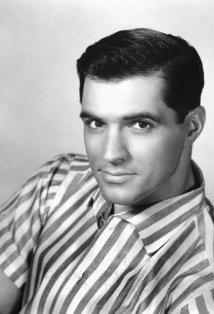
John Gavin
(as Sam Loomis)
Psycho
Released
1960
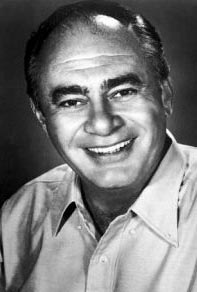
Martin Balsam
(as Det. Milton Arbogast)
Psycho
Released
1960
John McIntire
(as Sheriff Al Chambers)
Psycho
Released
1960
Simon Oakland
(as Dr. Fred Richman)

Psycho
Released
1960
Frank Albertson
(as Tom Cassidy)
Psycho Overview:
Psycho (1960) was a Horror - Mystery Film directed by Alfred Hitchcock and produced by Alfred Hitchcock.
The film was based on the novel of the same name written by Robert Bloch published in 1959.
SYNOPSIS
Hitchcock's mesmerizing thriller broke the rules of filmmaking with its cunning, psychologically-based plot, and changed the perception of Hollywood horror films forever. On a relatively small budget, Hitchcock carefully constructs a maze that leads to an inevitable, gruesome conclusion, a conclusion that the audience has seen coming and dreads. From the first shot, a magnificent crane shot whose camera perches on a hotel window from which we can observe an adulterous affair between Marion Crane (Leigh) and Gavin, the audience is complicit in the action, voyeurs who can't look away. After impulsively stealing a bundle of cash, Leigh heads for the highway. When she wearies and is advised to find a room, she turns into the Bates Motel, where she first encounters the nervously birdlike proprietor, Norman Bates (Perkins). Perkins's sly, almost charming performance as the haunted momma's boy builds a near-sympathy that is quickly erased by the famous shower scene, the most graphic depiction of a murder scene on film to that time. Through careful shooting and editing, the intensity of the act is multiplied in the minds of the audience until the last traces of blood swirl down the drain. As Crane's sister, Miles, and Detective Balsam uncover her fate, one more shock remains. A blueprint for cinema terror, which has been followed, discussed, and now remade almost shot for shot by Gus Van Sant in 1998 (he also followed Hitchcock's promotional blueprint, not allowing critics to pre-screen the film). Hitchcock had the last laugh on Paramount when they insisted that he finance much of the budget: Psycho was an international sensation that made him a wealthy man. Herrmann's chilling score, one of his finest, remains ever recognizable. Followed by three sequels and the 1998 remake. Though the film was nominated for Oscars for Best Director, Cinematography, Supporting Actress, and Art Direction, it received none, though it won a Golden Globe for Best Supporting Actress: Janet Leigh.
(Source: available at Amazon AMC Classic Movie Companion).
Psycho was inducted into the National Film Registry in 1992.
Academy Awards 1960 --- Ceremony Number 33 (source: AMPAS)
| Award | Recipient | Result |
| Best Supporting Actress | Janet Leigh | Nominated |
| Best Art Direction | Art Direction: Joseph Hurley, Robert Clatworthy; Set Decoration: George Milo | Nominated |
| Best Cinematography | John L. Russell | Nominated |
| Best Director | Alfred Hitchcock | Nominated |
Psycho BlogHub Articles:
Anthony Perkins, Vera Miles, John Gavin, and Janet Leigh star in Alfred Hitchock’s suspense classic “Psycho”
Anthony Perkins, Vera Miles, John Gavin, and Janet Leigh star in Alfred Hitchock’s suspense classic “Psycho” Psycho (1960) is an American suspense thriller directed by Alfred Hitchcock and starring Anthony Perkins, Vera Miles, John Gavin, and Janet Leigh. The supporting cast i... Read full article
4K UHD Blu-ray Review: Psycho
Distributor: Universal Pictures Release Date: May 25, 2021 Region — 4K UHD: Region Free Blu-ray: Region A Length — Original Theatrical Version: 01:49:04 Censored Re-release Version: 01:48:51 Video— 4K UHD: 2160P (HEVC, H.265) Blu-ray: 1080P (MPEG-4, AVC) Main Audio — 4K UHD: English DTS X... Read full article
Blu-ray Review: Psycho – 60th Anniversary Edition
Distributor: Universal Pictures Release Date: September 08, 2020 Region: Region A Length — Psycho (Original Theatrical Version): 01:49:04 Psycho (Censored Re-release Version): 01:48:51 Video: 1080P (MPEG-4, AVC) Main Audio: English DTS X 7.1 English DTS-HD Master Audio Alternate Audio: 2.0 Mono S... Read full article
The Directors’ Chair: Psycho
The Directors’ Chair: Psycho (1960) Some directors specialize in comedy, others in suspense. Still others delve in horror, romance or westerns. There are directors known for many films and some known only for one. Directors can put their stamp all over their films, while others get the ... Read full article
So Crazy It Works – Psycho II (1983)
Okay, here’s the short version of this review: Psycho II is a much better movie than any movie calling itself Psycho II should be. Alright, let’s go a bit deeper, then. When a movie calls itself Psycho II and opens with the classic and infamous shower scene from the 1960 original, it is ... Read full article
See More Psycho Articles
Psycho Quotes:
Norma Bates: [voice-over] Haha... I am sorry, boy, but you do manage to look ludicrous when you give me orders.
Norman Bates: [voice-over] Please, mother.
Norma Bates: [voice-over] No! I will not hide in the fruit cellar! Ha! You think I'm fruity, huh? I'm staying right here. This is my room and no one will drag me out of it, least of all my big, bold son!
Norman Bates: [voice-over] They'll come now, mother! He came after the girl, and now someone will come after him. Please mother, it's just for a few days, just for a few days so they won't find you!
Norma Bates: [voice-over] "Just for a few days"? In that dark, dank fruit cellar? No! You hid me there once, boy, and you'll not do it again, not ever again; now get out! I told you to get out, boy.
Norman Bates: [voice-over] I'll carry you, mother.
Norma Bates: [voice-over] Norman! What do you think you're doing? Don't you touch me, don't! NORMAN! Put me down, put me down, I can walk on my own...
Norman Bates: You mean an institution? A madhouse?
Marion Crane: No, I didn't mean it like...
Norman Bates: [suddenly angry] People always call a madhouse "someplace", don't they? "Put her in someplace!"
Marion Crane: I'm sorry. I didn't mean to sound so uncaring.
Norman Bates: What do you know about caring? Have you ever seen the inside of one of those places? The laughing, and the tears, and those cruel eyes studying you? My mother there?
[subdued tone]
Norman Bates: Oh, but she's harmless. She's as harmless as one of those stuffed birds.
Marion Crane: I tried to mean well.
Norman Bates: People always mean well. They cluck their thick tongues, and shake their heads and suggest, oh, so very delicately!
Sam Loomis: Hold it, you can't go up there.
Lila Crane: Why not?
Sam Loomis: Bates.
Lila Crane: Then, let's find him. One of us can keep him occupied while the other gets to the old woman.
Sam Loomis: You'll never be able to hold him still even if he doesn't want to be held. And, I don't like you going into that house alone.
Lila Crane: I can handle a sick old woman!