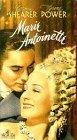

Marie Antoinette (1938) |
|
| Director(s) | W.S. Van Dyke, Julien Duvivier (uncredited) |
| Producer(s) | Hunt Stromberg, Irving Thalberg (uncredited) |
| Top Genres | Biographical, Drama, Historical, Romance |
| Top Topics | Book-Based, Infidelity, Paris, Romance (Drama), Royalty |
Featured Cast of Marie Antoinette See More »
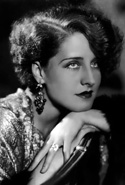
Marie Antoinette
Released
1938
Norma Shearer
(as Marie Antoinette)
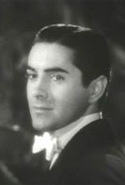
Marie Antoinette
Released
1938
Tyrone Power
(as Count Axel de Fersen)

Marie Antoinette
Released
1938
John Barrymore
(as King Louis XV)
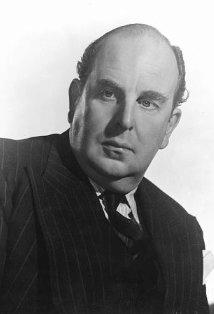
Marie Antoinette
Released
1938
Robert Morley
(as King Louis XVI)
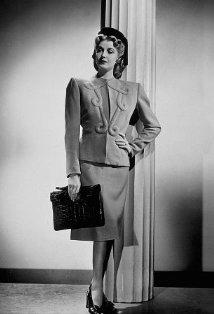
Marie Antoinette
Released
1938
Anita Louise
(as Princesse de Lamballe)
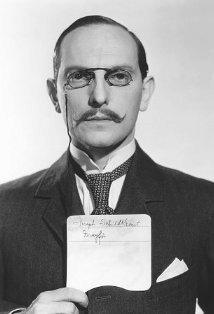
Marie Antoinette
Released
1938
Joseph Schildkraut
(as Duke d'Orléans)
Marie Antoinette
Released
1938
Gladys George
(as Mme. du Barry)
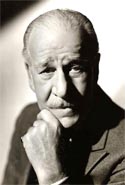
Marie Antoinette
Released
1938
Henry Stephenson
(as Count de Mercey)
Marie Antoinette Overview:
Marie Antoinette (1938) was a Drama - Drama Film directed by W.S. Van Dyke and Julien Duvivier (uncredited) and produced by Hunt Stromberg and Irving Thalberg.
The film was based on the biography Marie Antoinette: The Portrait of an Average Woman written by Stefan Zweig 1932.
SYNOPSIS
A long, lavish biopic chronicling the life of the French queen (Shearer) who wanted only a simple life on a farm, but was finally consumed by the French Revolution. Central to the film's story, adapted from the best-selling biography by Stefan Zweig, are the intrigues at Versailles and the scandal of the diamond necklace. Power, on loan from Fox (in exchange for Spencer Tracy's appearance in Stanley and Livingstone), plays Marie's Swedish lover Ferson and Morley is excellent as weak Louis XVI. A big-budget showcase for Shearer's return after a two-year absence while she grieved the loss of husband and MGM production chief Irving Thalberg. While Sidney Franklin spent years preparing to direct the film, studio boss Mayer forced him to stand back and allow no-nonsense Van Dyke to take over.
(Source: available at Amazon AMC Classic Movie Companion).
Academy Awards 1938 --- Ceremony Number 11 (source: AMPAS)
| Award | Recipient | Result |
| Best Supporting Actor | Robert Morley | Nominated |
| Best Actress | Norma Shearer | Nominated |
| Best Art Direction | Cedric Gibbons | Nominated |
| Best Music - Scoring | Herbert Stothart | Nominated |
Marie Antoinette BlogHub Articles:
Marie Antoinette (1938)
Marie Antoinette Directed by W.S. Van Dyke Written by Claudine West, Donald Ogden Stewart, and Ernest Vajda based in part on the book by Stefan Zweig 1938/USA Metro-Goldwyn-Mayer First viewing I am not big on 2 1/2 hour-plus costume dramas … especially if Norma Shearer is going to play a tee... Read full article
See More Marie Antoinette Articles
Marie Antoinette Quotes:
Count de Mercey: Dr. Franklin, a French monarch belongs to the public. He must be born, he must live and he must die in public.
Marie: Good night. Or, if you wish good morning. I shall never say goodbye.
Comte de Provence: I say run and you'll loose your crown!
Comte d'Artois: And I say stay and you'll loose your head!
Marie: And that other kingdom? The love, the youth, the happiness we might have had... what of that?
Count Axel de Fersen: We shall dream of it more tenderly because we didn't destroy it.