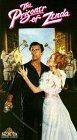

The Prisoner of Zenda (1952) |
|
| Director(s) | Richard Thorpe |
| Producer(s) | Pandro S. Berman |
| Top Genres | Adventure, Film Adaptation |
| Top Topics | Book-Based, Mistaken Identity, Royalty, Swashbucklers |
Featured Cast of The Prisoner of Zenda See More »
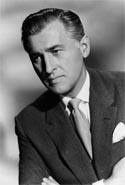
Stewart Granger(as Rudolf Rassendyll / King Rudolf V)
The Prisoner of Zenda
Released
1952
The Prisoner of Zenda
Released
1952
Stewart Granger
(as Rudolf Rassendyll / Ki...)
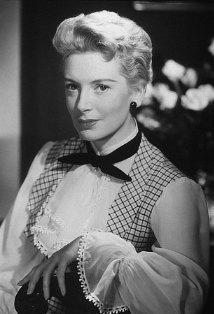
Deborah Kerr(as Princess Flavia)
The Prisoner of Zenda
Released
1952
The Prisoner of Zenda
Released
1952
Deborah Kerr
(as Princess Flavia)
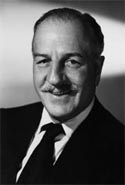
Louis Calhern(as Col. Zapt)
The Prisoner of Zenda
Released
1952
The Prisoner of Zenda
Released
1952
Louis Calhern
(as Col. Zapt)
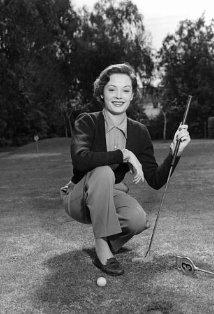
Jane Greer(as Antoinette de Mauban)
The Prisoner of Zenda
Released
1952
The Prisoner of Zenda
Released
1952
Jane Greer
(as Antoinette de Mauban)

Lewis Stone(as The Cardinal)
The Prisoner of Zenda
Released
1952
The Prisoner of Zenda
Released
1952
Lewis Stone
(as The Cardinal)
Robert Douglas(as Michael, Duke of Strelsau)
The Prisoner of Zenda
Released
1952
The Prisoner of Zenda
Released
1952
Robert Douglas
(as Michael, Duke of Strel...)
Robert Coote(as Fritz von Tarlenheim)
The Prisoner of Zenda
Released
1952
The Prisoner of Zenda
Released
1952
Robert Coote
(as Fritz von Tarlenheim)
Peter Brocco(as Johann)
The Prisoner of Zenda
Released
1952
The Prisoner of Zenda
Released
1952
Peter Brocco
(as Johann)
The Prisoner of Zenda Overview:
The Prisoner of Zenda (1952) was a Adventure - Film Adaptation Film directed by Richard Thorpe and produced by Pandro S. Berman.
The Prisoner of Zenda BlogHub Articles:
No article for The Prisoner of Zenda at this time. Submit yours here.
The Prisoner of Zenda Quotes:
Rudolf Rassendyll:
[when his life is threatened by Hentzau] Half my kingdom... for a match.
Rudolf Rassendyll:
I was hoping that our skeleton was safe at home in our family cupboard.
Fritz von Tarlenheim: Some skeletons are prodigious travelers.
Fritz von Tarlenheim: Some skeletons are prodigious travelers.
Rupert of Hentzau:
Somebody once called fidelity the fading woman's greatest weapon, the charming woman's greatest hypocrisy, and you're very charming.
Rudolf Rassendyll:
I probably looked like a prize idiot and talked like one too.
Princess Flavia: You're too modest. You really looked and acted like a King today.
Rudolf Rassendyll: Oh, thank you.
Princess Flavia: It was delightfully unexpected.
Rudolf Rassendyll: Oh.
Princess Flavia: You're too modest. You really looked and acted like a King today.
Rudolf Rassendyll: Oh, thank you.
Princess Flavia: It was delightfully unexpected.
Rudolf Rassendyll: Oh.
Rudolf Rassendyll:
[having difficulty putting on the King's ring] I hope the crown's a better fit.
See More Quotes from The Prisoner of ZendaThe Prisoner of Zenda Facts
See More Facts about The Prisoner of Zenda >>
The film used the same basic script that was written for the 1937 David O. Selznick film version, The Prisoner of Zenda, with Ronald Colman and Madeleine Carroll. Although many scenes and camera set-ups are exactly the same, there are notable differences.
The Ruritanian Royal Train seen briefly as Rassendyl and the others travel to Strelsau for the coronation is stock footage of the Salzkammergut Lokalbahn, a narrow-gauge railway in the Salzburg area of Austria, that closed in 1957.
This version's music score is an adaptation of the one composed by Alfred Newman for the 1937 version.
The original New York production of The Prisoner of Zenda opened at the Lyceum Theater on September 4, 1895.
One of the changes from the 1937 version is changing the character of the Bishop to a Cardinal. Long-time MGM contract player Lewis Stone played the part. Ironically, Stone played both leads in the 1922 version of The Prisoner of Zenda.