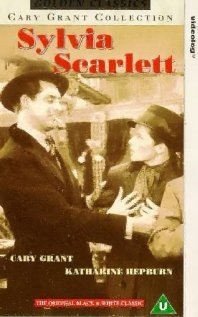

Sylvia Scarlett (1935) |
|
| Director(s) | George Cukor |
| Producer(s) | Pandro S. Berman |
| Top Genres | Comedy, Drama, Film Adaptation, Romance |
| Top Topics | Book-Based, LBGT, Romance (Comic) |
Featured Cast of Sylvia Scarlett See More »

Sylvia Scarlett
Released
1935
Katharine Hepburn
(as Sylvia Scarlett a.k.a....)

Sylvia Scarlett
Released
1935
Cary Grant
(as Jimmy Monkley)

Sylvia Scarlett
Released
1935
Brian Aherne
(as Michael Fane)

Sylvia Scarlett
Released
1935
Edmund Gwenn
(as Henry Scarlett)
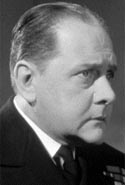
Sylvia Scarlett
Released
1935
Olaf Hytten
(as Customs Inspector)
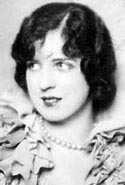
Sylvia Scarlett
Released
1935
Dennie Moore
(as Maudie Tilt)
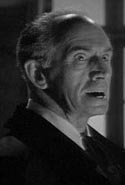
Sylvia Scarlett
Released
1935
Leonard Mudie
(as Train Steward)
Sylvia Scarlett
Released
1935
C. Montague Shaw
(as Bit Part)
Sylvia Scarlett Overview:
Sylvia Scarlett (1935) was a Comedy - Drama Film directed by George Cukor and produced by Pandro S. Berman.
SYNOPSIS
A cult curiosity that finds Hepburn in boyish drag for most of the movie. Hepburn dons boys' clothes to evade detection by the police and to help her father, Gwenn, smuggle some expensive stolen lace. They're caught when jewel thief Grant tips the cops. Hepburn gives Grant a pop in the nose, but earns a place in his racket. When she meets wealthy Aherne, their mutual attraction has Aherne scratching his head, until he figures out the gender switch. Hepburn gets to perform much derring-do, something she couldn't have done in a role that required a dress.
(Source: available at Amazon AMC Classic Movie Companion).
Sylvia Scarlett BlogHub Articles:
Silver Screen Standards: Sylvia Scarlett (1935)
Silver Screen Standards: Sylvia Scarlett (1935) Katharine Hepburn and Cary Grant starred in four movies together, two of which, Bringing Up Baby (1938) and The Philadelphia Story (1940), are now widely celebrated classics, but their first pairing went so badly at the box office that it’s somewh... Read full article
DVD Review: Katharine Hepburn in Sylvia Scarlett (1935) and Undercurrent (1946)
A new wave of Katharine Hepburn flicks recently released on DVD from Warner Archive drew me to a pair of titles that, while not among her most celebrated, were of interest to me because of their unusual quirks. Sylvia Scarlett (1935) and Undercurrent (1946) vary in critical, box office and artistic ... Read full article
Sylvia Scarlett (1935)
Sylvia Scarlett Directed by George Cukor 1935/USA Radio Pictures First viewing This box-office bomb has everything going for it but a coherent script. Sylvia Scarlett (Katharine Hepburn) has lost her mother and her father (Edmund Gwenn) is an embezzler. They flee France for England, Sylvia dis... Read full article
Classic Films in Focus: SYLVIA SCARLETT (1935)
Before they made well-remembered classics like Bringing Up Baby (1938) and The Philadelphia Story (1940), Katharine Hepburn and Cary Grant first starred together in the more obscure Sylvia Scarlett (1935), a George Cukor picture with a plot straight out of Shakespeare’s play book. The story, a... Read full article
Classic Films in Focus: SYLVIA SCARLETT (1935)
Before they made well-remembered classics like Bringing Up Baby (1938) and The Philadelphia Story (1940), Katharine Hepburn and Cary Grant first starred together in the more obscure Sylvia Scarlett (1935), a George Cukor picture with a plot straight out of Shakespeare’s play book. The story, a... Read full article
See More Sylvia Scarlett Articles
Sylvia Scarlett Quotes:
Sylvia Scarlett: They're *all* bad.
Jimmy Monkley: What's that?
Sylvia Scarlett: These eggs.
Sylvia Scarlett: Yeah, I can tell that by the look of you.