

Citizen Kane (1941) |
|
| Director(s) | Orson Welles |
| Producer(s) | Orson Welles, George Schaefer (uncredited) |
| Top Genres | Drama, Mystery |
| Top Topics | Fame, Newspapers |
Featured Cast of Citizen Kane See More »

Citizen Kane
Released
1941
Orson Welles
(as Kane)
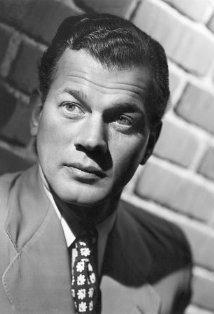
Citizen Kane
Released
1941
Joseph Cotten
(as Jedediah Leland)

Citizen Kane
Released
1941
Dorothy Comingore
(as Susan Alexander Kane)

Citizen Kane
Released
1941
Agnes Moorehead
(as Mary Kane)
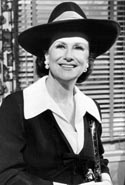
Citizen Kane
Released
1941
Ruth Warrick
(as Emily Monroe Norton Ka...)
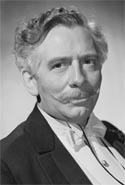
Citizen Kane
Released
1941
Ray Collins
(as James W. Gettys)
Citizen Kane
Released
1941
Erskine Sanford
(as Herbert Carter)

Citizen Kane
Released
1941
Everett Sloane
(as Mr. Bernstein)
Citizen Kane Overview:
Citizen Kane (1941) was a Drama - Mystery Film directed by Orson Welles and produced by Orson Welles and George Schaefer.
SYNOPSIS
Welles's greatest achievement, and a landmark of cinema history. The narrative charts the rise to power of a newspaper publisher whose wealth and power ultimately leave him alone in his castlelike refuge. Every aspect of the production marked an advance in film language: the deep-focus, deeply shadowed cinematography; the discontinuous narrative (in a screenplay by Herman Mankiewicz); the innovative use of sound and score; the ensemble acting forged in the fires of Welles's Mercury Theater. Essential viewing. The laserdisc contains a second audio track with commentary by a noted film historian, and the 50th anniversary release includes the restored original movie plus the 30-minute documentary Reflections on Citizen Kane, featuring the recollections of the actors and editors along with commentary by other filmmakers.
(Source: available at Amazon AMC Classic Movie Companion).
Citizen Kane was inducted into the National Film Registry in 1989.
Academy Awards 1941 --- Ceremony Number 14 (source: AMPAS)
| Award | Recipient | Result |
| Best Actor | Orson Welles | Nominated |
| Best Art Direction | Art Direction: Perry Ferguson, Van Nest Polglase; Interior Decoration: Al Fields, Darrell Silvera | Nominated |
| Best Cinematography | Gregg Toland | Nominated |
| Best Director | Orson Welles | Nominated |
| Best Film Editing | Robert Wise | Nominated |
| Best Picture | Mercury | Nominated |
| Best Writing | Herman J. Mankiewicz, Orson Welles | Won |
Citizen Kane BlogHub Articles:
Book Review--Young Orson: The Years of Luck and Genius on the Path to Citizen Kane
Young Orson: The Years of Luck and Genius on the Path to Citizen Kane Patrick McGilligan Harper, 2015 The universally acclaimed Citizen Kane (1941) alone would have assured Orson Welles a solid place in entertainment history. That the 25 years leading up to that unique cinematic achievement were fi... Read full article
The 75th Anniversary Of CITIZEN KANE
This week marks the 75th anniversary of the theatrical premier of CITIZEN KANE. I don't think I need to tell you that this is one of the most renowned and famous films of all time. Orson Welles' magnum opus remains a stunning cinematic achievement, and the title of the film itself has become a gener... Read full article
Review: Citizen Kane (1941)
“That’s all he ever wanted out of life… was love. That’s the tragedy of Charles Foster Kane. You see, he just didn’t have any to give.” – Jedediah Leyland It might seem rather trite to attempt to write anything on Citizen Kane, but as someone who can admitte... Read full article
Citizen Kane (1941) – Updated
“That’s all he ever wanted out of life… was love. That’s the tragedy of Charles Foster Kane. You see, he just didn’t have any to give.” – Jedediah Leyland It might seem rather trite to attempt to write anything on Citizen Kane, but as someone who can admitte... Read full article
Review: Citizen Kane (1941)
“That’s all he ever wanted out of life… was love. That’s the tragedy of Charles Foster Kane. You see, he just didn’t have any to give.” – Jedediah Leyland It might seem rather trite to attempt to write anything on Citizen Kane, but as someone who can admitte... Read full article
See More Citizen Kane Articles
Citizen Kane Quotes:
Bernstein: Well, it's no trick to make a lot of money... if what you want to do is make a lot of money.
Bernstein: Sure!
Leland: ...like the Declaration of Independence and the Constitution and my first report card at school.