

A Streetcar Named Desire (1951) |
|
| Director(s) | Elia Kazan |
| Producer(s) | Charles K. Feldman |
| Top Genres | Drama, Film Adaptation, Romance |
| Top Topics | Alcohol, Based on Play, Husband Wife, Sisters |
Featured Cast of A Streetcar Named Desire See More »

A Streetcar Named Desire
Released
1951
Vivien Leigh
(as Blanche DuBois)
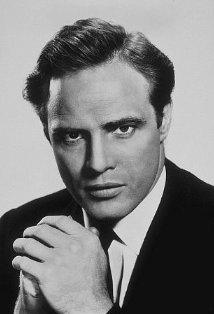
A Streetcar Named Desire
Released
1951
Marlon Brando
(as Stanley Kowalski)

A Streetcar Named Desire
Released
1951
Kim Hunter
(as Stella Kowalski)
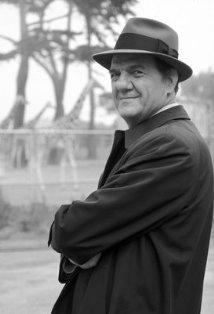
A Streetcar Named Desire
Released
1951
Karl Malden
(as Harold 'Mitch' Mitchel...)
A Streetcar Named Desire
Released
1951
Nick Dennis
(as Pablo Gonzales)
A Streetcar Named Desire
Released
1951
Richard Garrick
(as A Doctor)
A Streetcar Named Desire Overview:
A Streetcar Named Desire (1951) was a Drama - Romance Film directed by Elia Kazan and produced by Charles K. Feldman.
The film was based on the play of the same name written by Tennessee Williams performed at the Ethel Barrymore Theatre, NY from Dec 3, 1947 - Dec 17, 1949.
SYNOPSIS
Brando's performance as a sexually electrifying brute established him as the premier actor of his day, and gave us the timeless image of him holding his head in bewildered rage as he bellows, "Stella!" Director Kazan brought most of his Broadway cast to Hollywood for the screen version of Tennessee Williams's stage triumph (the only exception being Jessica Tandy, the stage Blanche). Brando had become a sensation in the stage role of Stanley, and he shows why in the film adaptation as he exposes pure, animal energy to the audience. When unstable Blanche DuBois (Leigh) moves in with her pregnant sister Stella (Hunter) and brother-in-law, Stanley Kowalski (Brando), Stanley and Blanche circle each other like wary animals. The sexual tension and mistrust build to a violent crescendo after Brando learns Leigh has squandered their family’s estate. The film was rereleased in 1993, with an additional four minutes of footage that did not make it past censors in 1951.
(Source: available at Amazon AMC Classic Movie Companion).
A Streetcar Named Desire was inducted into the National Film Registry in 1999.
Academy Awards 1951 --- Ceremony Number 24 (source: AMPAS)
| Award | Recipient | Result |
| Best Actor | Marlon Brando | Nominated |
| Best Supporting Actor | Karl Malden | Won |
| Best Actress | Vivien Leigh | Won |
| Best Supporting Actress | Kim Hunter | Won |
| Best Art Direction | Art Direction: Richard Day; Set Decoration: George James Hopkins | Won |
| Best Cinematography | Harry Stradling | Nominated |
| Best Costume Design | Lucinda Ballard | Nominated |
| Best Director | Elia Kazan | Nominated |
| Best Picture | Charles K. Feldman, Producer | Nominated |
| Best Writing | Tennessee Williams | Nominated |
A Streetcar Named Desire BlogHub Articles:
Review: A Streetcar Named Desire (1951)
Blanche Dubois and Stanley Kowalski. They’re both so iconic not simply in the lore of cinema history but literature and American culture in general. It’s difficult to know exactly what to do with them. Stanley Kowalski the archetypical chauvinistic beast. Driven by anger, prone to abuse... Read full article
Review: A Streetcar Named Desire (1951)
Blanche Dubois and Stanley Kowalski. They’re both so iconic not simply in the lore of cinema history but literature and American culture in general. It’s difficult to know exactly what to do with them. Stanley Kowalksi the archetypical chauvinistic beast. Driven by anger, prone to abus... Read full article
A Streetcar Named Desire (1951)
Elia Kazan’s adaptation of A Streetcar Named Desire is an important film in my life. I first saw it in community college when we wrote compared and contrasted the play and the film (there’s a lot of watering down in the movie). I wrote so much on Blanche DuBoise that by the end I wa... Read full article
A Streetcar Named Desire (1)
Review No. 446 Directed by: Elia Kazan Screenplay by: Tennessee Williams and Oscar Saul Based on: “A Streetcar Named Desire” by Tennessee Williams Blanche DuBois: Vivien Leigh Stanley Kowalski: Marlon Brando Stella Kowalski: Kim Hunter Harold “Mitch” Mitchell: Karl Malden Al... Read full article
A Streetcar Named Desire (1951)
The film adaption of the Tennessee Williams’ play, A Street Car Named Desire was directed by Elia Kazan and stars Marlon Brando as the rough Polish husband of Stella Kowalski. Vivien Leigh plays the role of Stella’s airy and superficial sister Blanche. The film opens in the French Quarte... Read full article
See More A Streetcar Named Desire Articles
A Streetcar Named Desire Quotes:
Stanley Kowalski: Nobody's going to get up, so don't get worried.