


Twelve O'Clock High (1949) |
|
| Director(s) | Henry King |
| Producer(s) | Darryl F. Zanuck |
| Top Genres | Action, Drama, War |
| Top Topics | Air Force, Book-Based, World War II |
Featured Cast of Twelve O'Clock High See More »
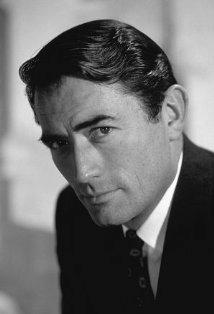
Twelve O'Clock High
Released
1949
Gregory Peck
(as Gen. Frank Savage)
Twelve O'Clock High
Released
1949
Hugh Marlowe
(as Lt. Col. Ben Gately)
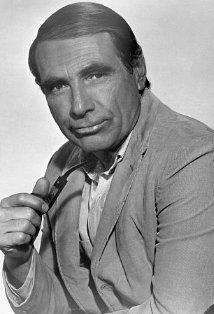
Twelve O'Clock High
Released
1949
Gary Merrill
(as Col. Ernie Davenport)
Twelve O'Clock High
Released
1949
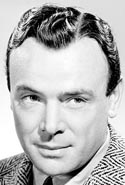
Millard Mitchell
(as Maj. Gen. Pat Pritchar...)
Twelve O'Clock High
Released
1949
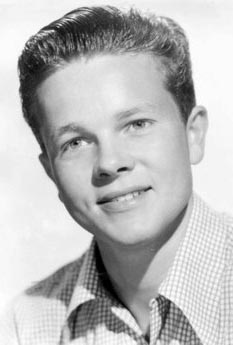
Dean Jagger
(as Maj. Harvey Stovall)
Twelve O'Clock High
Released
1949
Robert Arthur
(as Sgt. McIllhenny)
Twelve O'Clock High
Released
1949
Sam Edwards
(as Birdwell)
Twelve O'Clock High
Released
1949
Russ Conway
(as Operations Officer)
Twelve O'Clock High
Released
1949
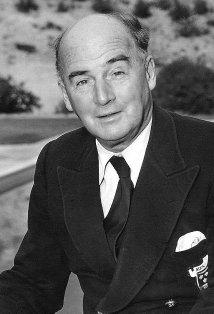
Barry Jones
(as Lord Haw)
Twelve O'Clock High
Released
1949
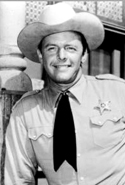
Harry Lauter
(as Radio Officer)
Twelve O'Clock High Overview:
Twelve O'Clock High (1949) was a Action - Drama Film directed by Henry King and produced by Darryl F. Zanuck.
The film was based on the novel of the same name written by Sy Bartlett and Beirne Lay, Jr published in 1948.
SYNOPSIS
This compelling WWII drama focuses on the emotional effects the fear and anxiety of war have on fighting men. When a compassionate bomber-squadron leader (Merrill) resists taking his scarred, jumpy men on one more near-suicidal daytime mission, he's replaced by by-the-book general Peck. After exposure to the dangers his men face, Peck becomes more uncertain than his predecessor, even suffering a nervous collapse from the stress. One of the few war films to depict the real human costs of war (based on the true story of Gen. Frank Armstrong), it also includes terrifying aerial sequences that make real the dangers the fliers faced.
(Source: available at Amazon AMC Classic Movie Companion)
Twelve O'Clock High was inducted into the National Film Registry in 1998.
Academy Awards 1949 --- Ceremony Number 22 (source: AMPAS)
| Award | Recipient | Result |
| Best Actor | Gregory Peck | Nominated |
| Best Supporting Actor | Dean Jagger | Won |
| Best Picture | 20th Century-Fox | Nominated |