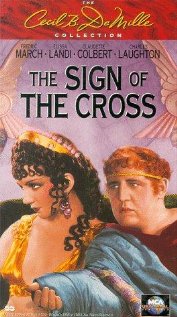

The Sign of the Cross (1932) |
|
| Director(s) | Cecil B. DeMille |
| Producer(s) | Cecil B. DeMille |
| Top Genres | Drama, Epic, Film Adaptation, Historical |
| Top Topics | Ancient World, Based on Play, Bible, Book-Based, Pre-Code Cinema, Religious |
Featured Cast of The Sign of the Cross See More »
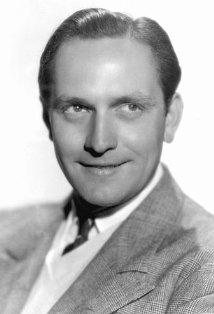
The Sign of the Cross
Released
1932
Fredric March
(as Marcus Superbus)

The Sign of the Cross
Released
1932
Elissa Landi
(as Mercia)

The Sign of the Cross
Released
1932
Claudette Colbert
(as Poppea)
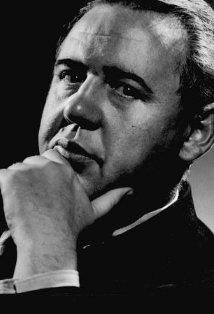
The Sign of the Cross
Released
1932
Charles Laughton
(as Nero)
The Sign of the Cross
Released
1932
Ian Keith
(as Tigellinus)
The Sign of the Cross
Released
1932
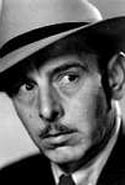
Arthur Hohl
(as Titus)
The Sign of the Cross
Released
1932
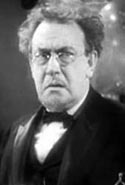
Harry Beresford
(as Favius Fontelas)
The Sign of the Cross
Released
1932
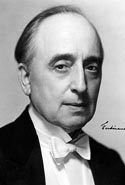
Ferdinand Gottschalk
(as Glabrio)
The Sign of the Cross Overview:
The Sign of the Cross (1932) was a Historical - Drama Film directed by Cecil B. DeMille and produced by Cecil B. DeMille.
SYNOPSIS
DeMille's version of Nero's Rome allowed him to depict vice, naked women, homosexuality, lesbians, and cannibalism - all in the name of moral instruction. Laughton plays Nero in a campy performance reportedly based on Mussolini, while Colbert, as Poppea, bathes in real asses' milk (which apparently turned to hideously foul-smelling cheese under the lights) and makes eyes at the captain of the guard, March. March, though, only desires the pure Landi, a Christian convert. When she's led into the arena after Nero blames his conflagration on the Christians, March nobly joins his true love in her sacrifice. In typical DeMille fashion, the film's press kit boasted of a cast of more than 4,000 and a menagerie gathered from 12 zoos.
(Source: available at Amazon AMC Classic Movie Companion).
Academy Awards 1932/33 --- Ceremony Number 6 (source: AMPAS)
| Award | Recipient | Result |
| Best Cinematography | Karl Struss | Nominated |
The Sign of the Cross BlogHub Articles:
Pre-Code Corner: Skin and Savagery in The Sign of the Cross: 7 Vicious Pre-Code Moments
Skin and Savagery in The Sign of the Cross: 7 Vicious Pre-Code Moments An epic tale of decadence, morality and religious persecution adorned with lust, violence, love, and everything in between, Cecil B. DeMille’s The Sign of the Cross (1932) remains one of the most audacious pictures of the p... Read full article
The Sign of the Cross (1932) (2)
Movies about the persecution of oppressed peoples cover all ethnicities and religions since time immemorial, and with Christianity at an all-time high in the 1920s/1930s it’s easy to figure out why Hollywood filmed The Sign of the Cross. Unfortunately, time isn’t kind and The Sign of t... Read full article
The Sign of the Cross (1932) (1)
As Nero (Charles Laughton) watches Rome burn, he blames Christians for starting the whole thing rather than admit he started it. Nero’s accusation places all Christians in Rome in great danger. When Titus (Arthur Hohl) and Flavius (Harry Beresford) publicly admit to being Christians, they ... Read full article
See More The Sign of the Cross Articles