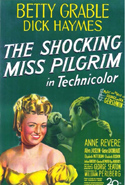

The Shocking Miss Pilgrim (1947) |
|
| Director(s) | George Seaton, Edmund Goulding (uncredited), John M. Stahl (uncredited) |
| Producer(s) | Darryl F. Zanuck (uncredited), William Perlberg |
| Top Genres | Comedy, Musical, Romance |
Featured Cast of The Shocking Miss Pilgrim See More »
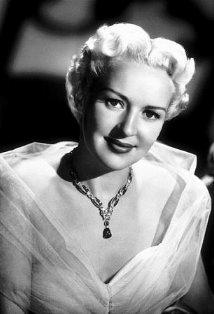
Betty Grable(as Cynthia Pilgrim)
The Shocking Miss Pilgrim
Released
1947
The Shocking Miss Pilgrim
Released
1947
Betty Grable
(as Cynthia Pilgrim)

Anne Revere(as Alice Pritchard)
The Shocking Miss Pilgrim
Released
1947
The Shocking Miss Pilgrim
Released
1947
Anne Revere
(as Alice Pritchard)
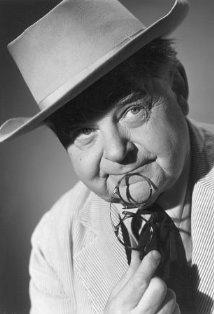
Gene Lockhart(as Saxon)
The Shocking Miss Pilgrim
Released
1947
The Shocking Miss Pilgrim
Released
1947
Gene Lockhart
(as Saxon)

Elizabeth Patterson(as Catherine Dennison)
The Shocking Miss Pilgrim
Released
1947
The Shocking Miss Pilgrim
Released
1947
Elizabeth Patterson
(as Catherine Dennison)
Elisabeth Risdon(as Mrs. Prichard)
The Shocking Miss Pilgrim
Released
1947
The Shocking Miss Pilgrim
Released
1947
Elisabeth Risdon
(as Mrs. Prichard)
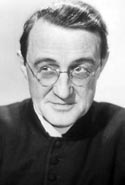
Arthur Shields(as Michael)
The Shocking Miss Pilgrim
Released
1947
The Shocking Miss Pilgrim
Released
1947
Arthur Shields
(as Michael)
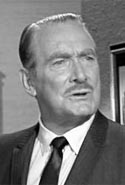
Roy Roberts(as Mr. Foster)
The Shocking Miss Pilgrim
Released
1947
The Shocking Miss Pilgrim
Released
1947
Roy Roberts
(as Mr. Foster)
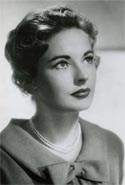
Coleen Gray(as Minor Role)
The Shocking Miss Pilgrim
Released
1947
The Shocking Miss Pilgrim
Released
1947
Coleen Gray
(as Minor Role)
The Shocking Miss Pilgrim Overview:
The Shocking Miss Pilgrim (1947) was a Comedy - Musical Film directed by George Seaton, Edmund Goulding (uncredited) and John M. Stahl (uncredited) and produced by Darryl F. Zanuck and William Perlberg.
The Shocking Miss Pilgrim BlogHub Articles:
Musical Monday: The Shocking Miss Pilgrim (1947)
It’s no secret that the Hollywood Comet loves musicals. In 2010, I revealed I had seen 400 movie musicals over the course of eight years. Now that number is over 600. To celebrate and share this musical love, here is my weekly feature about musicals. This week’s musical: The Shocking Miss Pilgri... Read full article
See More The Shocking Miss Pilgrim Articles
The Shocking Miss Pilgrim Quotes:
Cynthia Pilgrim:
I am a typewriter!
See More Quotes from The Shocking Miss PilgrimThe Shocking Miss Pilgrim Facts
See More Facts about The Shocking Miss Pilgrim >>
Film debut of Marilyn Monroe.
While Ira Gershwin fashioned the lyrics for this movie in 1946, the composer George Gershwin had died in 1937. With the aid of long time friend Kay Swift (herself a composer), Ira put together a number of George's unpublished melodies to provide a score for the film. "For You, For Me, For Evermore" became popular enough to make "Your Hit Parade" for two weeks.
"The Screen Guild Theater" broadcast a 30 minute radio adaptation of the movie on October 27, 1947 with Betty Grable reprising her film role.
Director John M. Stahl took over briefly as director while George Seaton was ill, prior to a more serious illness.
This was the first Betty Grable vehicle not to achieve major-hit status following her assent to stardom in Down Argentine Way. Twentieth Century-Fox executives blamed the mild box office on the rather genteel appearance of Miss Grable, sporting darker-blonde hair and failing to display her renowned legs.