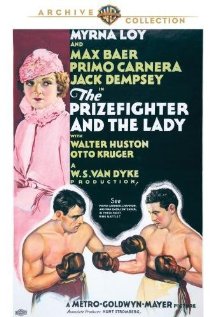

The Prizefighter and the Lady (1933) |
|
| Director(s) | Howard Hawks (uncredited), W.S. Van Dyke (uncredited) |
| Producer(s) | W.S. Van Dyke, Hunt Stromberg |
| Top Genres | Comedy, Crime, Romance |
| Top Topics | Boxing |
Featured Cast of The Prizefighter and the Lady See More »

The Prizefighter and the Lady
Released
1933
Myrna Loy
(as Belle)
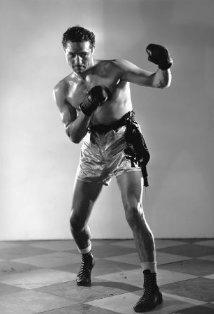
The Prizefighter and the Lady
Released
1933
Max Baer
(as Steve)
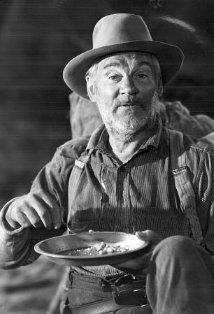
The Prizefighter and the Lady
Released
1933
Walter Huston
(as Professor)
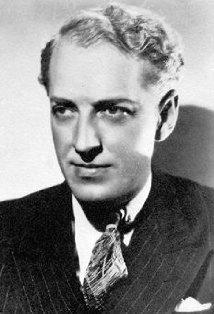
The Prizefighter and the Lady
Released
1933
Otto Kruger
(as Willie Ryan)
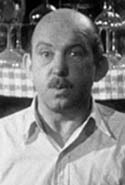
The Prizefighter and the Lady
Released
1933
Vince Barnett
(as Bugsie)
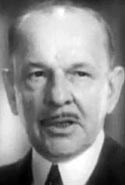
The Prizefighter and the Lady
Released
1933
Robert McWade
(as Adopted Son)
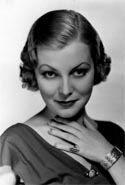
The Prizefighter and the Lady
Released
1933
Muriel Evans
(as Linda)
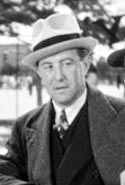
The Prizefighter and the Lady
Released
1933
Al Hill
(as Sid Munsie)
The Prizefighter and the Lady Overview:
The Prizefighter and the Lady (1933) was a Crime - Romance Film directed by Howard Hawks (uncredited) and W.S. Van Dyke (uncredited) and produced by W.S. Van Dyke and Hunt Stromberg.
Academy Awards 1932/33 --- Ceremony Number 6 (source: AMPAS)
| Award | Recipient | Result |
| Best Writing | Frances Marion | Nominated |
The Prizefighter and the Lady BlogHub Articles:
The Prizefighter and the Lady (1933)
While at a bar one night, boxing manager Edwin J. Bennett, AKA: Professor, (Walter Huston) sees sailor Steve Morgan (Max Baer) knock out a couple of drunks. The Professor sees that Steve has the potential to be a great boxer and convinces Steve to let him train him. While the two of them are jog... Read full article
The Prizefighter and the Lady (1933, W.S. Van Dyke)
The Prizefighter and the Lady mixes a couple genres–the philandering husband whose wife can’t stop loving him standard and, additionally, stunt casting. Heavyweight contender Max Baer stars as a heavyweight contender, who fights the champ, played by champ Primo Carnera. Myrna Loy plays t... Read full article
See More The Prizefighter and the Lady Articles