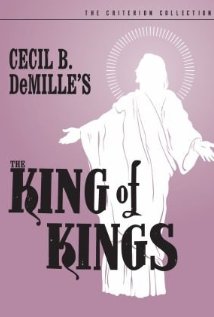

The King of Kings (1927) |
|
| Director(s) | Cecil B. DeMille |
| Producer(s) | Cecil B. DeMille |
| Top Genres | Drama, Historical, Silent Films |
| Top Topics | Bible, Religious |
Featured Cast of The King of Kings See More »
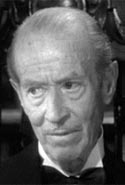
H.B. Warner(as Jesus, the Christ)
The King of Kings
Released
1927
The King of Kings
Released
1927
H.B. Warner
(as Jesus, the Christ)
Dorothy Cumming(as Mary, the mother)
The King of Kings
Released
1927
The King of Kings
Released
1927
Dorothy Cumming
(as Mary, the mother)
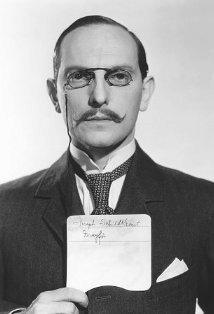
Joseph Schildkraut(as Judas Iscariot)
The King of Kings
Released
1927
The King of Kings
Released
1927
Joseph Schildkraut
(as Judas Iscariot)
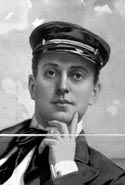
James Neill(as James, brother of John)
The King of Kings
Released
1927
The King of Kings
Released
1927
James Neill
(as James, brother of John)
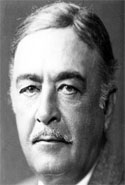
Robert Edeson(as Matthew, the publican)
The King of Kings
Released
1927
The King of Kings
Released
1927
Robert Edeson
(as Matthew, the publican)
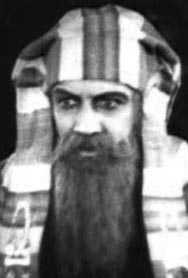
Charles Belcher(as Philip)
The King of Kings
Released
1927
The King of Kings
Released
1927
Charles Belcher
(as Philip)
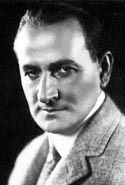
Sam De Grasse(as Pharisee)
The King of Kings
Released
1927
The King of Kings
Released
1927
Sam De Grasse
(as Pharisee)
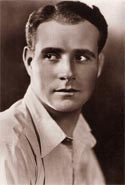
Victor Varconi(as Pontius Pilate, governor of Judea)
The King of Kings
Released
1927
The King of Kings
Released
1927
Victor Varconi
(as Pontius Pilate, govern...)
The King of Kings Overview:
The King of Kings (1927) was a Silent Films - Historical Film directed by Cecil B. DeMille and produced by Cecil B. DeMille.
The King of Kings BlogHub Articles:
Silents are Golden: A Closer Look At – The King of Kings (1927)
Silents are Golden: A Closer Look At – The King of Kings (1927) In the mid-1920s, after being known primarily for melodramas and light comedies with battle-of-the-sexes themes, famed director Cecil B. DeMille was starting to move in a more “epic” direction. Being interested in religious the... Read full article
See More The King of Kings Articles
The King of Kings Quotes:
No Quote for this film.
The King of Kings Facts
See More Facts about The King of Kings >>
Cecil B. DeMille intended that the role of the Jesus Christ go to J.B. Warner, a handsome and popular actor in westerns at the time. By the time production began, Warner had passed away of tuberculosis at age 29. Instead, H.B. Warner (Henry B. Warner) was cast as Jesus. Contrary to popular misconception, the two were not actually brothers. According to an in-depth article on J.B. Warner "Classic Images" by Grange B. McKinney, the two were not even related. J.B.'s real name was James B. Tobias, and he adopted the surname of Warner after H.B. Warner's family took him in and raised him. This familial error appears in several reference books.
After considering Seena Owen, Gloria Swanson, Gertrude Lawrence, Vilma Bánky and Raquel Meller for the role of Mary Magdelene, Cecil B. DeMille chose Jacqueline Logan after she told him, "I don;t want to play her as a bad woman, but as a woman who doesn't know the difference between right and wrong."
The Temple of Jerusalem set was constructed on the Pathe (later, RKO) backlot in Culver City. It was redressed as the "Great Wall" set that the title character breaks through in King Kong. It was later reused in David O. Selznick's The Garden of Allah and finally went out in a blaze of glory after it was redressed with Civil War era building fronts, burned and pulled down by a tractor to represent the burning of Atlanta munitions warehouses in Selznick's Gone with the Wind.
During the shoot H.B. Warner was driven to the set in a closed car with the blinds down, wore a black veil when he left the car for the set, and ate alone. The pressures of playing Jesus ultimately had an effect on Warner and resurrected his former drinking problem.
This was the first film shown at Grauman's Chinese Theater on Hollywood Boulevard.