

The Bridge on the River Kwai (1957) |
|
| Director(s) | David Lean |
| Producer(s) | Sam Spiegel |
| Top Genres | Action, Adventure, Drama, Epic, Film Adaptation, War |
| Top Topics | Book-Based |
Featured Cast of The Bridge on the River Kwai See More »

The Bridge on the River Kwai
Released
1957
William Holden
(as Shears)

The Bridge on the River Kwai
Released
1957
Alec Guinness
(as Col. Nicholson)
The Bridge on the River Kwai
Released
1957
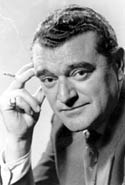
Jack Hawkins
(as Maj. Warden)
The Bridge on the River Kwai
Released
1957
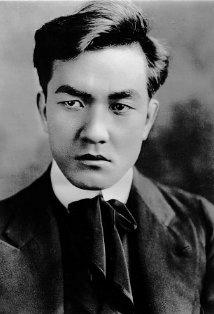
Sessue Hayakawa
(as Col. Saito)
The Bridge on the River Kwai
Released
1957
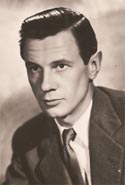
James Donald
(as Maj. Clipton)
The Bridge on the River Kwai
Released
1957
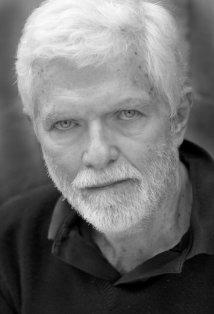
Geoffrey Horne
(as Lt, Joyce)
The Bridge on the River Kwai
Released
1957
John Boxer
(as Maj. Hughes)
The Bridge on the River Kwai
Released
1957
Harold Goodwin
(as Baker)
The Bridge on the River Kwai Overview:
The Bridge on the River Kwai (1957) was a Adventure - Drama Film directed by David Lean and produced by Sam Spiegel.
The film was based on the novel The Bridge over the River Kwai written by Pierre Boulle published in 1952.
SYNOPSIS:
Directed by the now-legendary David Lean, The Bridge on the River Kwai (1957) is an epic WWII war film starring Alec Guinness, Sessue Hayakawa and William Holden. The film was adapted from the 1952 best-selling novel, Le Pont de la Riviere Kwai, by Pierre Boulle, which, although largely fictitious, was based on Boulle's own war experiences and also pulls historical context from the construction of the POW-built 1942-43 Burma-Siam railway.
The film is set in a Japanese prisoner-of-war camp in Burma (filmed in Ceylon, now Sri Lanka), where camp commandant Colonel Saito (Sessue Hayakawa) and newly-arrived prisoner, British officer Lieutenant Colonel Nicholson (Alec Guinness), clash over Saito's insistence that POW officers work as laborers to build a railway bridge. This begins an intense battle of wills that ultimately leads to an ironic outcome as Nicholson tasks himself, and his men (officers included), with building the bridge - not only a bridge, but a 'proper bridge' - to raise morale and showcase British superiority to the Japanese. Meanwhile, American prisoner, Commander Shears (William Holden), manages to escape the un-escapable camp, but is later coerced into joining a British-led commando team that must return to the camp and destroy the bridge. Now, I don’t want to spoil the ending of this exquisite and powerful film for you, so suffice it to say, that the iconic last line of the movie captures it all: "Madness! Madness!"
(Source: article by Annmarie Gatti for Classic Movie Hub
The Bridge on the River Kwai was inducted into the National Film Registry in 1997.
Academy Awards 1957 --- Ceremony Number 30 (source: AMPAS)
| Award | Recipient | Result |
| Best Actor | Alec Guinness | Won |
| Best Supporting Actor | Sessue Hayakawa | Nominated |
| Best Cinematography | Jack Hildyard | Won |
| Best Director | David Lean | Won |
| Best Film Editing | Peter Taylor | Won |
| Best Music - Scoring | Malcolm Arnold | Won |
| Best Picture | Sam Spiegel, Producer | Won |
| Best Writing | Michael Wilson, Carl Foreman, Pierre Boulle | Won |
The Bridge on the River Kwai BlogHub Articles:
The Bridge on the River Kwai: Honor, Duty, and Madness
The Bridge on the River Kwai: Honor, Duty and Madness – an Unforgettable Film even 62 Years Later… In honor of the anniversary of the US theatrical release of The Bridge on the River Kwai on December 14, 1957, a mere 62 years ago today, I am reprinting an article that I wrote for Sony... Read full article
The Bridge on the River Kwai (1957)
The Bridge on the River Kwai Directed by David Lean Written by Carl Foreman and Michael Wilson (both uncredited) from a novel by Pierre Boulle 1957/UK/USA Columbia Pictures Corporation/Horizon Pictures Repeat viewing/Netflix rental #340 of 1001 Movies You Must See Before You Die David Lean makes... Read full article
The Bridge on the River Kwai
The Bridge on the River Kwai (David Lean, 1957) The Bridge on the River Kwai is a widely popular and acclaimed film from one of the most famous British directors of all-time: David Lean. With 7 Oscars and a #83spot on the not-so-viable IMDb Top 250, the movie should at least ring a bell to anyone. ... Read full article
The Bridge on the River Kwai
In a Japanese POW camp, prisoners are overworked and the death rate is extremely high. We first meet Shears (William Holden) as he’s digging a grave, by the time he’s finished he can’t even remember who he just buried. He has seen so many men arrive and die in this camp his spirit is nearl... Read full article
See More The Bridge on the River Kwai Articles