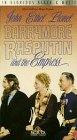

Rasputin and the Empress (1932) |
|
| Director(s) | Richard Boleslawski, Charles Brabin (uncredited) |
| Producer(s) | Irving Thalberg (uncredited), Bernard H. Hyman (uncredited) |
| Top Genres | Drama, Historical |
Featured Cast of Rasputin and the Empress See More »

Rasputin and the Empress
Released
1932
John Barrymore
(as Prince Paul Chegodieff)
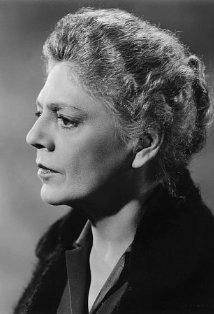
Rasputin and the Empress
Released
1932
Ethel Barrymore
(as Czarina Alexandra)
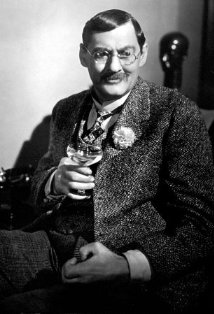
Rasputin and the Empress
Released
1932
Lionel Barrymore
(as Grigori Rasputin)

Rasputin and the Empress
Released
1932
Diana Wynyard
(as Princess Natasha)

Rasputin and the Empress
Released
1932
C. Henry Gordon
(as Grand Duke Igor)
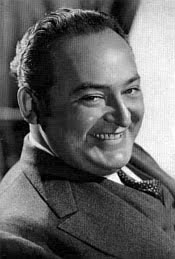
Rasputin and the Empress
Released
1932
Edward Arnold
(as Dr. A. Remezov)
Rasputin and the Empress
Released
1932
Clarence Wilson
(as )

Rasputin and the Empress
Released
1932
Luis Alberni
(as Photographer's Assista...)
Rasputin and the Empress Overview:
Rasputin and the Empress (1932) was a Drama - Historical Film directed by Richard Boleslawski and Charles Brabin (uncredited) and produced by Irving Thalberg and Bernard H. Hyman.
Academy Awards 1932/33 --- Ceremony Number 6 (source: AMPAS)
| Award | Recipient | Result |
| Best Writing | Charles MacArthur | Nominated |
Rasputin and the Empress BlogHub Articles:
RASPUTIN AND THE EMPRESS ( 1932 )
ETHEL BARRYMORE MONTH RASPUTIN AND THE EMPRESS ( 1932 ) When I first became an avid fan of the Barrymore’s, one of the films I collected was “Rasputin And The Empress”, a lavish landmark film featuring the Barrymore trilogy, Ethel, John and Lionel. It’s a very enthralling mo... Read full article
A Rasputin Two-fer: Rasputin and the Empress (1932) & Nicholas and Alexandra (1971)
A Rasputin Two-fer: Rasputin and the Empress (1932) & Nicholas and Alexandra (1971) 5/19/2014 0 Comments What person even slightly interested in history doesn't know those eyes? Burning and possessing, they drill into one's ... Read full article
Rasputin and the Empress, Happy Anniversary! Premiered, Friday, December 23rd, 1932 (2)
The only that all three of the royal acting family appeared in the same film.... Read full article
Rasputin and the Empress, Happy Anniversary! Premiered, Friday, December 23rd, 1932
The only that all three of the royal acting family appeared in the same film.... Read full article
Rasputin and the Empress, Happy Anniversary! Premiered, Friday, December 23rd, 1932
The only that all three of the royal acting family appeared in the same film.... Read full article
See More Rasputin and the Empress Articles