

Mr. Deeds Goes to Town (1936) |
|
| Director(s) | Frank Capra |
| Producer(s) | Frank Capra (uncredited) |
| Top Genres | Comedy, Drama, Romance |
| Top Topics | Book-Based, Integrity, Mistaken Identity, New York, Newspapers, Romance (Drama), Screwball Comedy, Great Depression |
Featured Cast of Mr. Deeds Goes to Town See More »
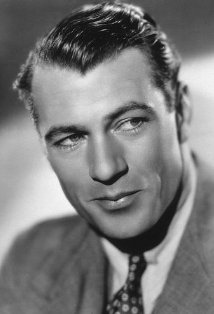
Mr. Deeds Goes to Town
Released
1936
Gary Cooper
(as Longfellow Deeds)
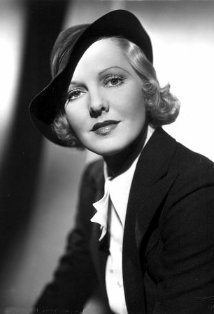
Mr. Deeds Goes to Town
Released
1936
Jean Arthur
(as Babe Bennett)
Mr. Deeds Goes to Town
Released
1936
George Bancroft
(as MacWade)
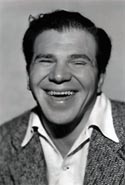
Mr. Deeds Goes to Town
Released
1936
Lionel Stander
(as Cornelius Cobb)
Mr. Deeds Goes to Town
Released
1936
Douglass Dumbrille
(as John Cedar)
Mr. Deeds Goes to Town
Released
1936
Raymond Walburn
(as Walter)
Mr. Deeds Goes to Town
Released
1936
H.B. Warner
(as Judge May)
Mr. Deeds Goes to Town
Released
1936
Ruth Donnelly
(as Mabel Dawson)
Mr. Deeds Goes to Town Overview:
Mr. Deeds Goes to Town (1936) was a Comedy - Romance Film directed by Frank Capra and produced by Frank Capra.
The film was based on the serial story Opera Hat written by Clarence Budington Kelland published in American Magazine from April-Sept 1935.
SYNOPSIS
Capra's populist favorite is about a Vermont hayseed (Cooper) who inherits a fortune and his encounters with the cynical, heartless metropolis. Small-town "pixilated" poet and guileless good guy Longfellow Deeds inherits $20 million, and, when he wants to use it to help the needy, various unsavory types try to get him declared insane. As might be expected, Cooper embodies the simple virtues and wins over hardened newspaper reporter Arthur. Capra favorite Riskin wrote the screenplay and Capra won his second Oscar for the direction. Both leads worked for Capra again in Meet John Doe (Cooper) and Mr. Smith Goes to Washington (Arthur). Based on "Opera Hat," a Saturday Evening Post story by Clarence Budington Kelland.
(Source: available at Amazon AMC Classic Movie Companion).
Academy Awards 1936 --- Ceremony Number 9 (source: AMPAS)
| Award | Recipient | Result |
| Best Actor | Gary Cooper | Nominated |
| Best Director | Frank Capra | Won |
| Best Picture | Columbia | Nominated |
| Best Writing | Robert Riskin | Nominated |