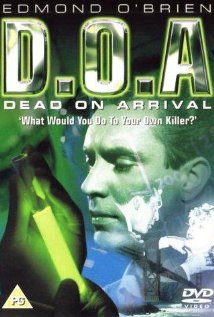

D.O.A. (1950) |
|
| Director(s) | Rudolph Maté |
| Producer(s) | Leo C. Popkin, Harry M. Popkin, Joseph H. Nadel |
| Top Genres | Crime, Drama, Film Noir, Mystery |
Featured Cast of D.O.A. See More »
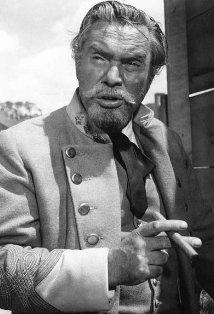
Edmond O'Brien(as Frank Bigelow)
D.O.A.
Released
1950
D.O.A.
Released
1950
Edmond O'Brien
(as Frank Bigelow)
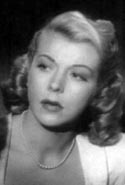
Pamela Britton(as Paula Gibson)
D.O.A.
Released
1950
D.O.A.
Released
1950
Pamela Britton
(as Paula Gibson)

Luther Adler(as Majak)
D.O.A.
Released
1950
D.O.A.
Released
1950
Luther Adler
(as Majak)
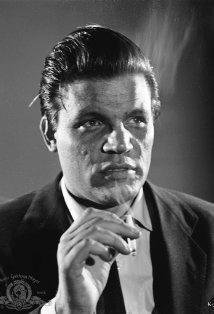
Neville Brand(as Chester)
D.O.A.
Released
1950
D.O.A.
Released
1950
Neville Brand
(as Chester)
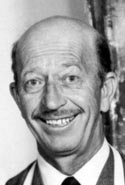
Frank Cady(as Eddie)
D.O.A.
Released
1950
D.O.A.
Released
1950
Frank Cady
(as Eddie)
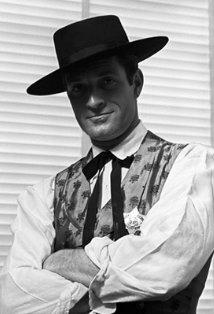
Hugh O'Brian(as Jazz Fan)
D.O.A.
Released
1950
D.O.A.
Released
1950
Hugh O'Brian
(as Jazz Fan)
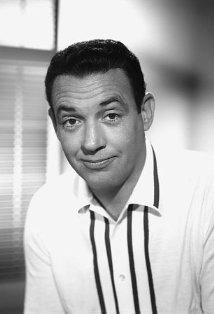
Jerry Paris(as Bellhop)
D.O.A.
Released
1950
D.O.A.
Released
1950
Jerry Paris
(as Bellhop)

Ivan Triesault(as Photographer)
D.O.A.
Released
1950
D.O.A.
Released
1950
Ivan Triesault
(as Photographer)
D.O.A. Overview:
D.O.A. (1950) was a Film Noir - Drama Film directed by Rudolph Maté and produced by Leo C. Popkin, Harry M. Popkin and Joseph H. Nadel.
D.O.A. was inducted into the National Film Registry in 2004.
D.O.A. BlogHub Articles:
No article for D.O.A. at this time. Submit yours here.
D.O.A. Quotes:
Frank Bigelow:
I can breathe and I can move, but I'm not alive because I took that poison, and nothing can save me.
Frank Bigelow:
Do you realise what you're saying, you're telling me that I'm dead!
Frank Bigelow:
You're in this right up to your pretty little neck.
Frank Bigelow:
Who's the blonde?
Eddie: Oh she's one of the chicks that hang around here, she's jive crazy.
Eddie: Oh she's one of the chicks that hang around here, she's jive crazy.
Paula Gibson:
You're just like any other man, only more so.
See More Quotes from D.O.A.D.O.A. Facts
See More Facts about D.O.A. >>
The scene in which Bigelow runs in panic through the streets after learning he has been poisoned was a stolen shot. The pedestrians had no idea a movie was being made and no warning that Edmond O'Brien would be plowing through them.
Film debut of Neville Brand.
When Frank Bigelow registers at the Allison Hotel in Los Angeles, the name directly above is Russell Rouse, one of the writers. Also on the register is Ernest Laszlo, the director of photography and Marty Moss, the assistant director.
The Life magazine displayed at the San Francisco newspaper stand where Frank Bigelow stops is the publication from September 12, 1949, with Yugoslavia's leader, Marshal Josip Broz Tito on the cover.
"Screen Director's Playhouse" broadcast a 60 minute radio adaptation of the movie on June 21, 1951 with Edmond O'Brien reprising his film role.