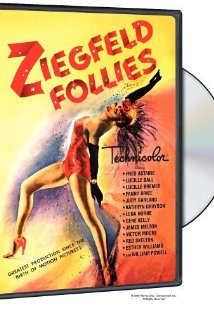

Ziegfeld Follies (1945) |
|
| Director(s) | Lemuel Ayers, Roy Del Ruth, Robert Lewis, Vincente Minnelli, Merrill Pye, George Sidney, Charles Walters |
| Producer(s) | Arthur Freed |
| Top Genres | Comedy, Musical |
Featured Cast of Ziegfeld Follies See More »

Ziegfeld Follies
Released
1945
Fred Astaire
(as Himself)

Ziegfeld Follies
Released
1945
Lucille Ball
(as Herself in 'Here's to ...)
Ziegfeld Follies
Released
1945
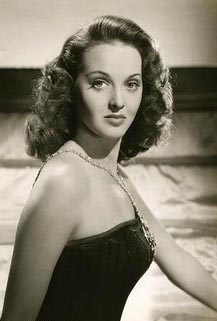
Lucille Bremer
(as Princess in 'This Hear...)
Ziegfeld Follies
Released
1945
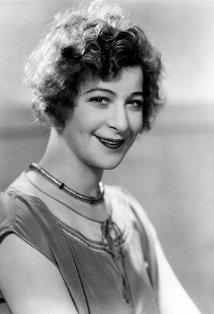
Fanny Brice
(as Norma in 'A Sweepstake...)

Ziegfeld Follies
Released
1945
Judy Garland
(as The Star in 'A Great L...)
Ziegfeld Follies
Released
1945
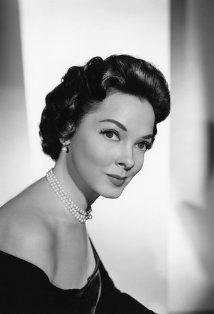
Kathryn Grayson
(as Herself in 'Beauty')
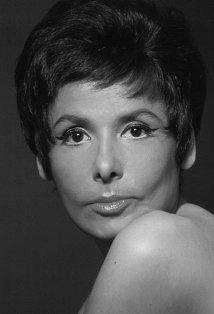
Ziegfeld Follies
Released
1945
Lena Horne
(as Herself in 'Love')
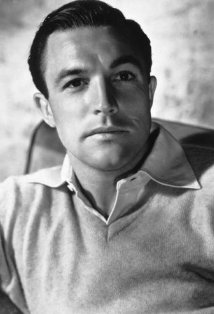
Ziegfeld Follies
Released
1945
Gene Kelly
(as Gentleman in 'The Babb...)
Ziegfeld Follies Overview:
Ziegfeld Follies (1945) was a Comedy - Musical Film directed by Lemuel Ayers, Roy Del Ruth, Robert Lewis, Vincente Minnelli, Merrill Pye, George Sidney and Charles Walters and produced by Arthur Freed.
Ziegfeld Follies BlogHub Articles:
Ziegfeld Follies (1946)
via: http://www.tcm.com/tcmdb/title/96661/Ziegfeld-Follies/#tcmarcp-159247 Unless otherwise noted, all images are my own. Ziegfeld Follies is a Technicolor explosion of MGM’s talent and stunningly over-the-top production values. Originally intended to premiere in 1944 as part of MGM’s... Read full article
Ziegfeld Follies (1946)
via: http://www.tcm.com/tcmdb/title/96661/Ziegfeld-Follies/#tcmarcp-159247 Unless otherwise noted, all images are my own. Ziegfeld Follies is a Technicolor explosion of MGM’s talent and stunningly over-the-top production values. Originally intended to premiere in 1944 as part of MGM’s... Read full article
Classic Films in Focus: ZIEGFELD FOLLIES (1945)
Florenz Ziegfeld, Jr. and his legacy captivated Hollywood, especially once the rise of the talkies made Ziegfeld style entertainments possible onscreen. Most classic Hollywood musicals opt for a narrative framework to hold their production numbers together, but others, like Ziegfeld Follies (1945), ... Read full article
Classic Films in Focus: ZIEGFELD FOLLIES (1945)
Florenz Ziegfeld, Jr. and his legacy captivated Hollywood, especially once the rise of the talkies made Ziegfeld style entertainments possible onscreen. Most classic Hollywood musicals opt for a narrative framework to hold their production numbers together, but others, like Ziegfeld Follies (1945), ... Read full article
Classic Films in Focus: ZIEGFELD FOLLIES (1945)
Florenz Ziegfeld, Jr. and his legacy captivated Hollywood, especially once the rise of the talkies made Ziegfeld style entertainments possible onscreen. Most classic Hollywood musicals opt for a narrative framework to hold their production numbers together, but others, like Ziegfeld Follies (1945), ... Read full article
See More Ziegfeld Follies Articles
Ziegfeld Follies Quotes:
Florenz Ziegfeld Jr.: Ah... Saturday, September twenty fifth. Another heavenly day. Ah, yes. Always a heavenly day.