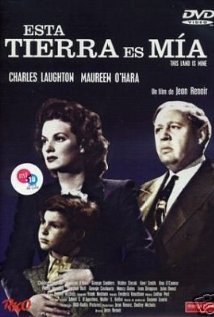

This Land Is Mine (1943) |
|
| Director(s) | Jean Renoir |
| Producer(s) | Jean Renoir, Dudley Nichols |
| Top Genres | Drama, War |
| Top Topics | World War II |
Featured Cast of This Land Is Mine See More »
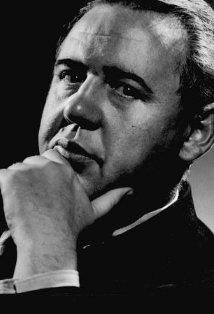
Charles Laughton(as Albert Lory)
This Land Is Mine
Released
1943
This Land Is Mine
Released
1943
Charles Laughton
(as Albert Lory)

Maureen O'Hara(as Louise Martin)
This Land Is Mine
Released
1943
This Land Is Mine
Released
1943
Maureen O'Hara
(as Louise Martin)
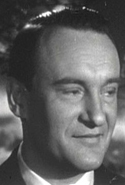
George Sanders(as George Lambert)
This Land Is Mine
Released
1943
This Land Is Mine
Released
1943
George Sanders
(as George Lambert)

Walter Slezak(as Major Erich von Keller)
This Land Is Mine
Released
1943
This Land Is Mine
Released
1943
Walter Slezak
(as Major Erich von Keller)
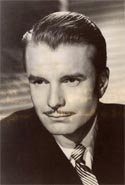
Kent Smith(as Paul Martin)
This Land Is Mine
Released
1943
This Land Is Mine
Released
1943
Kent Smith
(as Paul Martin)
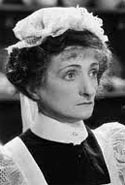
Una O'Connor(as Mrs. Emma Lory)
This Land Is Mine
Released
1943
This Land Is Mine
Released
1943
Una O'Connor
(as Mrs. Emma Lory)
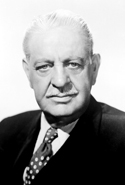
Thurston Hall(as Mayor Henry Manville)
This Land Is Mine
Released
1943
This Land Is Mine
Released
1943
Thurston Hall
(as Mayor Henry Manville)
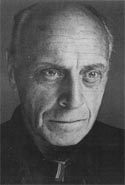
George Coulouris(as Prosecutor)
This Land Is Mine
Released
1943
This Land Is Mine
Released
1943
George Coulouris
(as Prosecutor)
This Land Is Mine Overview:
This Land Is Mine (1943) was a Drama - War Film directed by Jean Renoir and produced by Jean Renoir and Dudley Nichols.
This Land Is Mine BlogHub Articles:
This Land is Mine (1943)
This Land in Mine initiates itself as a memorial to WWI. We see a statue with a crouching soldier. It’s inscribed with the following message: “In memory of those who died to bring peace to the world.” In the foreground as the Nazi juggernaut rolls into town. Because peace has not l... Read full article
This Land Is Mine (1943)
This Land Is Mine Directed by Jean Renoir Written by Dudley Nichols 1943/USA Jean Renoir-Dudley Nichols Productions/RKO Radio Pictures First viewing/Warner Archive DVD Louise Martin: Every factory and railroad in Europe is Germany, Mrs. Lory, until the Germans are driven out. In Jean RenoirR... Read full article
See More This Land Is Mine Articles
This Land Is Mine Quotes:
Paul Martin:
You told?
George Lambert: [Quickly] Yes. Why did you do it, Paul?
Paul Martin: Why did YOU do it, George?
George Lambert: [after a pause] Don't look at me!
Paul Martin: You're looking at yourself, George, and that's what you can't stand. You can't stand it, and that's why you're warning me. Thanks, Georg.
[He leaves]
George Lambert: [Quickly] Yes. Why did you do it, Paul?
Paul Martin: Why did YOU do it, George?
George Lambert: [after a pause] Don't look at me!
Paul Martin: You're looking at yourself, George, and that's what you can't stand. You can't stand it, and that's why you're warning me. Thanks, Georg.
[He leaves]
Albert Lory:
Well, the truth is I wanted to kill George Lambert, but I don't think I could have done it. I'm too weak. I'm a coward. Well, everyone knows it; even the prosecutor. That's why he's making fun of me.
Mrs. Emma Lory:
Why don't they bomb Germany, young woman?
Louise Martin: Every factory and railroad in Europe is Germany, Mrs. Lory, until the Germans are driven out.
See More Quotes from This Land Is MineLouise Martin: Every factory and railroad in Europe is Germany, Mrs. Lory, until the Germans are driven out.
This Land Is Mine Facts
See More Facts about This Land Is Mine >>
The film opened simultaneously at 72 theaters in 50 key cities on 7 May 1943, setting a box office record for gross receipts on an opening day. Opening day ceremonies were broadcast on a radio station in Cincinnati, Ohio.
The book that Laughton begins reading to his students at the end of the movie is "The Declaration of the Rights of Man and of the Citizen" (French: Déclaration des droits de l'Homme et du Citoyen), a fundamental document of the French Revolution.
"Lux Radio Theater" broadcast a 60 minute radio adaptation of the movie onApril 24, 1944 with Charles Laughton and Maureen O'Hara reprising their film roles.
The singing of "Die Lorelei" by the German soldiers was a subtle dig at the anti-semitic regime of the Nazis, since the words were written by banned Jewish poet Heinrich Heine. Many of his books, considered "un-German," were burned in the book-burning episode at Opernplatz, Berlin, Germany, on 10 May 1933. However, his works were so popular that they were still published, but "author unknown" was the listed writer. In his 1821 play "Almansor," Heine also prophetically wrote "Dort, wo man Bücher verbrennt, verbrennt man am Ende auch Menschen." ("Where they burned books, they will in the end in burn people.")
Henry Roquemore is in casting call lists playing a butcher, but was not seen in the film. The jury foreman, George M. Carleton, is said to be the town butcher by Charles Laughton when he addresses the jury.