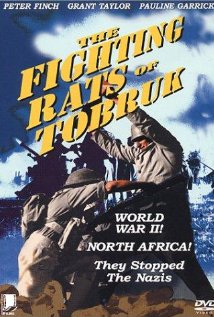

The Rats of Tobruk (1944) |
|
| Director(s) | Charles Chauvel |
| Producer(s) | Charles Chauvel |
| Top Genres | Action, Drama, War |
Featured Cast of The Rats of Tobruk See More »
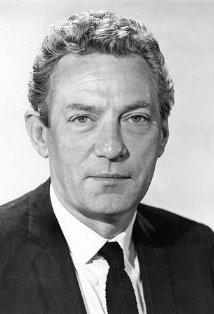
Peter Finch(as Peter Linton)
The Rats of Tobruk
Released
1944
The Rats of Tobruk
Released
1944
Peter Finch
(as Peter Linton)
The Rats of Tobruk Overview:
The Rats of Tobruk (1944) was a Action - War Film directed by Charles Chauvel and produced by Charles Chauvel.
The Rats of Tobruk BlogHub Articles:
No article for The Rats of Tobruk at this time. Submit yours here.
The Rats of Tobruk Quotes:
No Quote for this film.
The Rats of Tobruk Facts
See More Facts about The Rats of Tobruk >>
Legendary Australian actor Chips Rafferty appears in this movie as Milo Trent. About a decade later, Rafferty would appear playing Sergeant 'Blue' Smith in another movie featuring "The Rats of Tobruk" with Richard Burton entitled The Desert Rats.
According to the book 'Bill Collins' Book of Movies' by Bill Collins, the film was " . . . released late in 1944, and was a timely, authentic tribute paid by an Australian patriot to the durability and heroism of the AIF Australian Imperial Force in the Middle East. The director Charles Chauvel and his wife, Elsa Elsa Chauvel based their screenplay on material supplied by General Morshead and men who endured the siege. The film was made with the co-operation of the Departments of Information and the Army."
Peter Linton (Peter Finch) quotes from the St Crispin's Day speech from "Henry V" by William Shakespeare and 'The Soldier' by Rupert Brooke.
The film's dedication and opening prologue states: "For eight months at Tobruk in 1941 fifteen thousand Australians and eight thousand British and Indian troops held a German army seven times their number and in seven time their armour. The Germans, understanding machines, but not these men, flung an insult to them in a name - "The Rats of Tobruk." This insult they carried on their bayonets right into the ranks of the oncoming German hordes. It has become one of the finest epitaphs of the war. To these men who could never be driven from their firing posts before Rommel, we pay homage - - "THE RATS OF TOBRUK"."
Three of the movie stars who appeared in the movie were actually on furlough leave from their respective military service units when making the film.