

Seven Days to Noon (1950) |
|
| Director(s) | John Boulting, Roy Boulting |
| Producer(s) | Roy Boulting, John Boulting, Peter De Sarigny |
| Top Genres | Drama, Thriller/Suspense |
| Top Topics | Political Thriller, Politics |
Featured Cast of Seven Days to Noon See More »
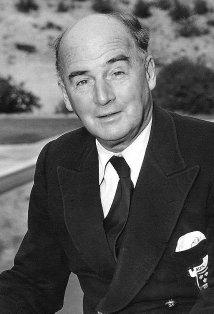
Barry Jones(as Professor Willingdon)
Seven Days to Noon
Released
1950
Seven Days to Noon
Released
1950
Barry Jones
(as Professor Willingdon)

Olive Sloane(as Goldie)
Seven Days to Noon
Released
1950
Seven Days to Noon
Released
1950
Olive Sloane
(as Goldie)

Ronald Adam(as The Prime Minister)
Seven Days to Noon
Released
1950
Seven Days to Noon
Released
1950
Ronald Adam
(as The Prime Minister)
Martin Boddey(as Gen. Willoughby)
Seven Days to Noon
Released
1950
Seven Days to Noon
Released
1950
Martin Boddey
(as Gen. Willoughby)
Victor Maddern(as Private Jackson)
Seven Days to Noon
Released
1950
Seven Days to Noon
Released
1950
Victor Maddern
(as Private Jackson)
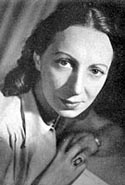
Jean Anderson(as Mother at Train Station)
Seven Days to Noon
Released
1950
Seven Days to Noon
Released
1950
Jean Anderson
(as Mother at Train Statio...)
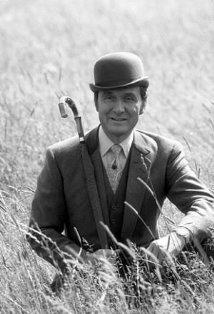
Patrick Macnee(as Bit Part)
Seven Days to Noon
Released
1950
Seven Days to Noon
Released
1950
Patrick Macnee
(as Bit Part)
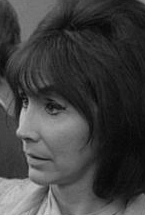
Marianne Stone(as Woman in Phone Box)
Seven Days to Noon
Released
1950
Seven Days to Noon
Released
1950
Marianne Stone
(as Woman in Phone Box)
Seven Days to Noon Overview:
Seven Days to Noon (1950) was a Thriller/Suspense - Drama Film directed by John Boulting and Roy Boulting and produced by Roy Boulting, John Boulting and Peter De Sarigny.
Academy Awards 1951 --- Ceremony Number 24 (source: AMPAS)
| Award | Recipient | Result |
| Best Writing | Paul Dehn, James Bernard | Won |
Seven Days to Noon BlogHub Articles:
No article for Seven Days to Noon at this time. Submit yours here.
Seven Days to Noon Quotes:
No Quote for this film.
Seven Days to Noon Facts
See More Facts about Seven Days to Noon >>
Presently available version, as broadcast on Turner Classic Movies, has been cropped to fit the 16:9 wide screen ratio, despite the fact that it was filmed in the traditional 4:3.
James Bernard was most famous for composing the scores to numerous Hammer horrors, including Horror of Dracula. Ironically, however, it was for this film that he won his only Oscar - as co-writer.
There are a number of literary references in Seven Days to Noon: Among the jottings on Professor Willingdon's notes -- "The wicked beareth rule" is from the Bible, Proverbs 29:2 (...when the wicked beareth rule, the people mourn) and "Thus with a mighty fall shall Babylon the great city be cast down" Revelation 18:21; "Dark, dark, dark, amid the blaze of noon" comes from John Milton's Samson Agonistes, a play about the biblical character, Samson, who is granted the power to destroy the temple and kill all the Philistines (and himself). The professor later quotes Revelation 6:4, "The horse came forth, the red horse, and to him that sat thereon was given to take the peace from the earth. And there was given unto him a great sword." The speaker in Hyde Park says "There shall be wars and rumors of wars." Nearly identical words are found in Matthew 24:6, Mark 13:7 and the Book of Mormon, 2 Nephi 25:12. A man carries a sandwich board quoting "The wages of sin is death," again from the Bible, Romans 6:23.
The film has a story very similar to The Peacemaker. In fact they have a number of plot points in the finale that are similar: 1. The final scene of disarming the bomb takes place in a church. 2. The person with the bomb carries it in a small bag: a backpack for The Peacemaker, valise for Seven Days to Noon. 3. The person carrying the bomb is shot at the end, before the bomb is defused. 4. A man and a woman are the people who confront the person with the bomb at the end. 5. Of the man and woman in both movies, one is a nuclear bomb expert: in Seven Days to Noon it's the man; in The Peacemaker, it's the woman.
First original cinema score of John Addison