

Redskin (1929) |
|
| Director(s) | Victor Schertzinger |
| Producer(s) | Adolph Zukor (uncredited), Jesse L. Lasky (uncredited), B.P. Schulberg (uncredited), Victor Schertzinger |
| Top Genres | Adventure, Drama, Silent Films, Western |
| Top Topics | Pre-Code Cinema |
Featured Cast of Redskin See More »
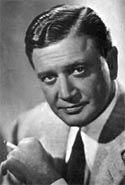
Richard Dix(as Wing Foot)
Redskin
Released
1929
Redskin
Released
1929
Richard Dix
(as Wing Foot)

Tully Marshall(as Navajo Jim)
Redskin
Released
1929
Redskin
Released
1929
Tully Marshall
(as Navajo Jim)
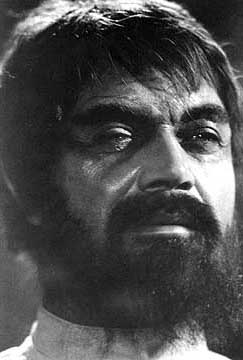
Noble Johnson(as Pueblo Jim)
Redskin
Released
1929
Redskin
Released
1929
Noble Johnson
(as Pueblo Jim)

Paul Panzer(as )
Redskin
Released
1929
Redskin
Released
1929
Paul Panzer
(as )
Redskin Overview:
Redskin (1929) was a Western - Adventure Film directed by Victor Schertzinger and produced by Adolph Zukor, Jesse L. Lasky, B.P. Schulberg and Victor Schertzinger.
Redskin BlogHub Articles:
Redskin (1929) A Silent Film Review
The surprisingly sympathetic tale of a Navajo man, Wing Foot (Richard Dix), who was taken from his family as a boy and raised in a boarding school. Insulted and referred to as “Redskin” by his college peers, Wing Foot also finds that he no longer fits in with his family, especially his e... Read full article
See More Redskin Articles
Redskin Quotes:
No Quote for this film.
Redskin Facts
See More Facts about Redskin >>
Paramount's last silent picture.
The sequences of Native American life were shot in Technicolor, while the rest of the film was photographed in black and white and tinted amber. This was actually an accident, (see also If....). The financial backers for the film ran out of money to spend on the then very expensive color film and ordered the filmmakers to immediately switch to black-and-white. Upon hearing this, the filmmakers realized that all the scenes at the Native American village had been shot.
A copy of this film survives in the Library of Congress.
The film was released with a recorded soundtrack on nine disks. According to the liner notes of the film's DVD release the picture survives intact while only disks 1, 3, and 8 are still known to exist. However, the website for the Vitaphone Project lists that copies of discs 2, 4, 5, and 7 exist in their collection.
Shown in Magnoscope process during its initial release.