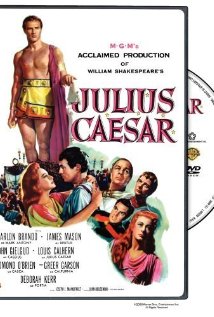

Julius Caesar (1953) |
|
| Director(s) | Joseph L. Mankiewicz |
| Producer(s) | John Houseman |
| Top Genres | Drama, Film Adaptation, Historical |
Featured Cast of Julius Caesar See More »
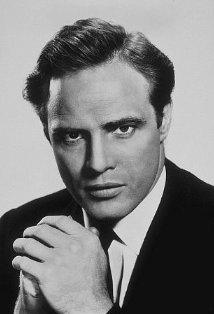
Julius Caesar
Released
1953
Marlon Brando
(as Mark Antony)

Julius Caesar
Released
1953
James Mason
(as Brutus)
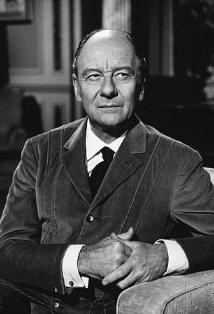
Julius Caesar
Released
1953
John Gielgud
(as Cassius)

Julius Caesar
Released
1953
Louis Calhern
(as Julius Caesar)
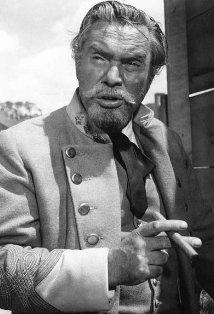
Julius Caesar
Released
1953
Edmond O'Brien
(as Casca)

Julius Caesar
Released
1953
Greer Garson
(as Calpurnia)

Julius Caesar
Released
1953
Deborah Kerr
(as Portia)

Julius Caesar
Released
1953
George Macready
(as Marullus)
Julius Caesar Overview:
Julius Caesar (1953) was a Drama - Historical Film directed by Joseph L. Mankiewicz and produced by John Houseman.
Academy Awards 1953 --- Ceremony Number 26 (source: AMPAS)
| Award | Recipient | Result |
| Best Actor | Marlon Brando | Nominated |
| Best Art Direction | Art Direction: Cedric Gibbons, Edward Carfagno; Set Decoration: Edwin B. Willis, Hugh Hunt | Won |
| Best Cinematography | Joseph Ruttenberg | Nominated |
| Best Music - Scoring | Miklos Rozsa | Nominated |
| Best Picture | John Houseman, Producer | Nominated |
Julius Caesar BlogHub Articles:
Julius Caesar (1953)
Julius Caesar Directed by Joseph L. Mankiewicz Written by Joseph L Mankiewicz (uncredited) from the play by William Shakespeare 1953/USA Metro-Goldwyn-Mayer Repeat viewing/Netflix rental Julius Caesar is not my favorite of the Bard’s plays. The film is worth seeing, however, if only for M... Read full article
Julius Caesar
Based on Shakespeare’s play, Julius Caesar tells the story of a group of Roman conspirators who plot to murder Caesar (Louis Calhern) before his ambition for power turns to tyranny. Brutus (James Mason) unites them under this cause for the greater good ofRome, but truthfully, Cassius (John Gielg... Read full article
See More Julius Caesar Articles