

John Goldfarb, Please Come Home (1965) |
|
| Director(s) | J. Lee Thompson |
| Producer(s) | J. Lee Thompson, Steve Parker |
| Top Genres | Comedy |
Featured Cast of John Goldfarb, Please Come Home See More »
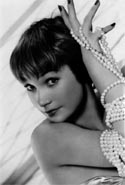
Shirley MacLaine(as Jenny Ericson)
John Goldfarb, Please Come Home
Released
1965
John Goldfarb, Please Come Home
Released
1965
Shirley MacLaine
(as Jenny Ericson)

Peter Ustinov(as King Fawz)
John Goldfarb, Please Come Home
Released
1965
John Goldfarb, Please Come Home
Released
1965
Peter Ustinov
(as King Fawz)
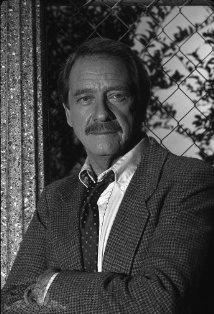
Richard Crenna(as John Goldfarb)
John Goldfarb, Please Come Home
Released
1965
John Goldfarb, Please Come Home
Released
1965
Richard Crenna
(as John Goldfarb)
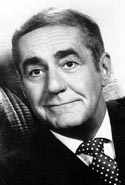
Jim Backus(as Miles Whitepaper)
John Goldfarb, Please Come Home
Released
1965
John Goldfarb, Please Come Home
Released
1965
Jim Backus
(as Miles Whitepaper)
Scott Brady(as Sakalakis)
John Goldfarb, Please Come Home
Released
1965
John Goldfarb, Please Come Home
Released
1965
Scott Brady
(as Sakalakis)
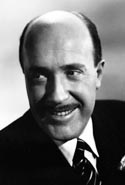
Fred Clark(as Heinous Overreach)
John Goldfarb, Please Come Home
Released
1965
John Goldfarb, Please Come Home
Released
1965
Fred Clark
(as Heinous Overreach)

Wilfrid Hyde-White(as Mustafa Guz)
John Goldfarb, Please Come Home
Released
1965
John Goldfarb, Please Come Home
Released
1965
Wilfrid Hyde-White
(as Mustafa Guz)
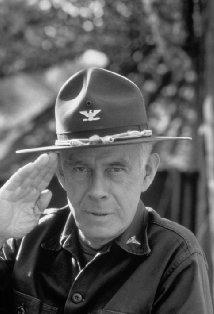
Harry Morgan(as Secretary of State Deems Sarajevo)
John Goldfarb, Please Come Home
Released
1965
John Goldfarb, Please Come Home
Released
1965
Harry Morgan
(as Secretary of State Dee...)
John Goldfarb, Please Come Home Overview:
John Goldfarb, Please Come Home (1965) was a Comedy - Film directed by J. Lee Thompson and produced by J. Lee Thompson and Steve Parker.
John Goldfarb, Please Come Home BlogHub Articles:
No article for John Goldfarb, Please Come Home at this time. Submit yours here.
John Goldfarb, Please Come Home Quotes:
Sakalakis:
[looking at bench] Rimsky, in for Korsakoff!
See More Quotes from John Goldfarb, Please Come HomeJohn Goldfarb, Please Come Home Facts
See More Facts about John Goldfarb, Please Come Home >>
Four versions of the title song (sung under the credits) were recorded. One was by Jaye P. Morgan, the other three by Shirley MacLaine. The Morgan version was heard by the film's critics at the original press screenings. One of the MacLaine versions was used in the film when it was released, and ever afterward. The two unused MacLaine versions had different lyrics. One was more "romantic," the other was sung to Goldfarb by his "Jewish mother." All four versions are included on the CD soundtrack.
According to Patricia Bosworth's 1978 biography, Montgomery Clift was offered the male lead in the film, but turned it down.
In 2007, a musical comedy version of "John Goldfarb, Please Come Home" was performed in New York City as part of the annual Fringe Festival. William Peter Blatty's script followed his original screenplay fairly closely, although none of the original music was used.
This was Shirley MacLaine's second consecutive film to wind up with her cavorting under an oil gusher; she did the same thing in the climax to her previous movie, 1964's What A Way To Go!
Notre Dame University got a court injunction to delay the release of the film, claiming the studio had "knowingly and illegally misappropriated, diluted and commercially exploited for their private profit the names, symbols, football team, prestige, high reputation and goodwill" of the university. After three months of court battles, the studio won out.