

Five Graves to Cairo (1943) |
|
| Director(s) | Billy Wilder |
| Producer(s) | Charles Brackett |
| Top Genres | Film Adaptation, Thriller/Suspense, War |
| Top Topics | Based on Play, Spies, World War II |
Featured Cast of Five Graves to Cairo See More »
Five Graves to Cairo
Released
1943
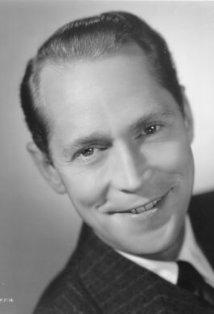
Franchot Tone
(as Cpl. John J. Bramble /...)

Five Graves to Cairo
Released
1943
Anne Baxter
(as Mouche)
Five Graves to Cairo
Released
1943
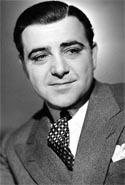
Akim Tamiroff
(as Farid)
Five Graves to Cairo
Released
1943
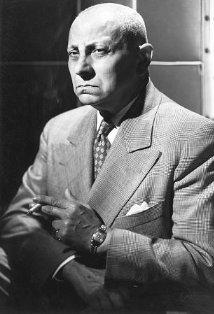
Erich von Stroheim
(as Field Marshal Erwin Ro...)
Five Graves to Cairo
Released
1943
Fortunio Bonanova
(as Gen. Sebastiano)
Five Graves to Cairo
Released
1943
Ian Keith
(as Capt. St. Bride)
Five Graves to Cairo
Released
1943
Miles Mander
(as Colonel Fitzhume)
Five Graves to Cairo Overview:
Five Graves to Cairo (1943) was a War - Thriller/Suspense Film directed by Billy Wilder and produced by Charles Brackett.
SYNOPSIS
The Sahara heats up as Allied spies try to outwit "Desert Fox" Rommel in this political thriller ably helmed by WIlder. Tone takes refuge in an oasis hotel run by Tamiroff just after the Afrika Korps rumbles through. He assumes a dead hotel waiter's identity, who also happens to have been a spy for Rommel. The intelligent Wilder-Brackett screenplay keeps things bouncing along with intense suspense and a dash of humor.
(Source: available at Amazon AMC Classic Movie Companion).
Academy Awards 1943 --- Ceremony Number 16 (source: AMPAS)
| Award | Recipient | Result |
| Best Art Direction | Art Direction: Hans Dreier, Ernst Fegte; Interior Decoration: Bertram Granger | Nominated |
| Best Cinematography | John Seitz | Nominated |
| Best Film Editing | Doane Harrison | Nominated |
Five Graves to Cairo BlogHub Articles:
Five Graves to Cairo (1943) and The Desert Fox
For modern audiences especially, the movie’s opening crawl gives us a bit of helpful context. It’s June, 1942. Field Marshall Erwin Rommel’s Afrika Corps was pounding the Brits back toward Cairo and the Suez Canal. His notoriety as a tactician and “The Desert Fox” is ... Read full article
Five Graves to Cairo (1943)
Five Graves to Cairo Directed by Billy Wilder Written by Billy Wilder and Charles Brackett based on the Lajos Biró play Hotel Imperial 1943/USA Paramount Pictures Repeat viewing/TCM DVD Billy Wilder’s second directorial effort has little of his characteristic humor or cynicism. It is,... Read full article
See More Five Graves to Cairo Articles
Five Graves to Cairo Quotes:
Farid: [nervous] Terek, sir. Terek. Yes, sir. But he ran away this morning. With the British to Alexandria.
Lt. Schwegler: [checking the guidebook] You have a wife.
Farid: Oh, yes, sir. Yes. But *she* run away. Yes, sir.
Lt. Schwegler: With the British to Alexandria?
Farid: [sadly] No, sir. With a Greek to Casablanca.