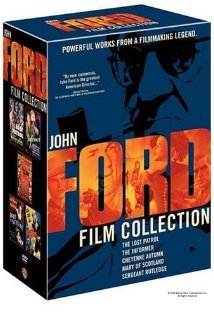

Cheyenne Autumn (1964) |
|
| Director(s) | John Ford |
| Producer(s) | John Ford (uncredited), Bernard Smith |
| Top Genres | Drama, Historical, Western |
Featured Cast of Cheyenne Autumn See More »
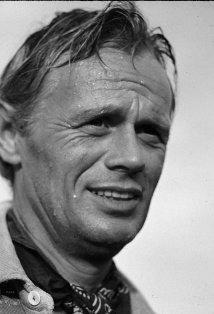
Cheyenne Autumn
Released
1964
Richard Widmark
(as Capt. Thomas Archer)
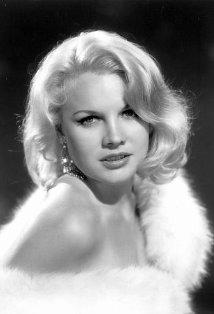
Cheyenne Autumn
Released
1964
Carroll Baker
(as Deborah Wright)
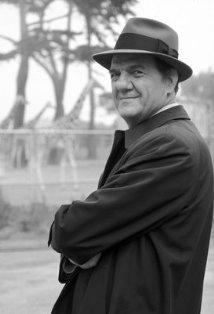
Cheyenne Autumn
Released
1964
Karl Malden
(as Capt. Wessels)
Cheyenne Autumn
Released
1964
Sal Mineo
(as Red Shirt)
Cheyenne Autumn
Released
1964
Dolores del Río
(as Spanish Woman)
Cheyenne Autumn
Released
1964
Ricardo Montalban
(as Little Wolf)

Cheyenne Autumn
Released
1964
Gilbert Roland
(as Dull Knife)
Cheyenne Autumn
Released
1964
Arthur Kennedy
(as Doc Holliday)
Cheyenne Autumn Overview:
Cheyenne Autumn (1964) was a Drama - Historical Film directed by John Ford and produced by John Ford and Bernard Smith.
SYNOPSIS
The last Western from director Ford and a farewell to his familiar Monument Valley locations. After portraying Indians as villains in many of his classic Westerns, Ford cast them in a compassionate light in this rueful, elegiac film. The story follows the Cheyenne Indians as they flee their squalid Oklahoma reservation and return to their traditional homeland along the Yellowstone River in Wyoming. Cavalry officer Widmark gets the call to return the tribe to the reservations, but, after he sees the starvation and sickness endured by his quarry, he questions the government's decision. A cast of great stars (including a brief nod from Stewart as Wyatt Earp), and available in a restored version with additional footage.
(Source: available at Amazon AMC Classic Movie Companion).
Academy Awards 1964 --- Ceremony Number 37 (source: AMPAS)
| Award | Recipient | Result |
| Best Cinematography | William H. Clothier | Nominated |
Cheyenne Autumn BlogHub Articles:
Cheyenne Autumn (1964): John Ford’s Western Swan Song
If we had to provide a broad sense of Cheyenne Autumn, it would be all about the mass Exodus of the Cheyenne in 1878 as they journey from the arid land they’ve been subjugated to back to the land the white man had promised to return to them all along. This is a Hollywood rendition so, obviousl... Read full article
Cheyenne Autumn (1964)
Cheyenne Autumn Directed by John Ford Written by James R. Webb, suggested by “Cheyenne Autumn” by Mari Sandoz 1964/USA Warner Bros./Ford-Smith Productions First viewing/Netflix rental This beautiful movie represents the peak of John Ford’s later career. It is 1878. The Cheyenne I... Read full article
See More Cheyenne Autumn Articles
Cheyenne Autumn Quotes:
Capt. Thomas Archer: But this wasn't just another day to the Cheyenne. Far from their homeland, as out of place in this desert as eagles in a cage, their three great chiefs prayed over the Sacred Bundles that at last the promises made to them more than a year ago would today be honored. The promises that had led them to give up their own way of life in their own green and fertile country... 1500 miles north.
Capt. Thomas Archer: Come on, Wichowski. You fought Indians before!
Sr. First Sergeant: I fought Indians who wanted to fight me, not just some poor blanket-heads trying to go home!
Dr. O'Carberry: What are you gonna do about it?
Dull Knife: We are asked to remember much. The white man remembers nothing.
Doc Holliday: You know I am a dentist, not a doctor. Wait until somebody shoot him in the teeth.