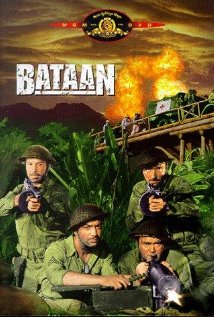

Bataan (1943) |
|
| Director(s) | Tay Garnett |
| Producer(s) | Dore Schary (uncredited), Irving Starr |
| Top Genres | War |
| Top Topics | Army, World War II |
Featured Cast of Bataan See More »
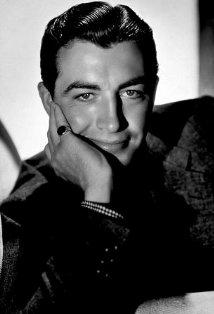
Robert Taylor(as Sgt. Bill Dane)
Bataan
Released
1943
Bataan
Released
1943
Robert Taylor
(as Sgt. Bill Dane)
George Murphy(as Lt. Steve Bentley)
Bataan
Released
1943
Bataan
Released
1943
George Murphy
(as Lt. Steve Bentley)

Thomas Mitchell(as Cpl. Jake Feingold)
Bataan
Released
1943
Bataan
Released
1943
Thomas Mitchell
(as Cpl. Jake Feingold)

Lloyd Nolan(as Cpl. Barney Todd)
Bataan
Released
1943
Bataan
Released
1943
Lloyd Nolan
(as Cpl. Barney Todd)
Lee Bowman(as Capt. Henry Lassiter)
Bataan
Released
1943
Bataan
Released
1943
Lee Bowman
(as Capt. Henry Lassiter)
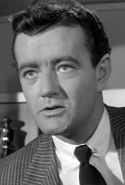
Robert Walker(as Leonard Purckett)
Bataan
Released
1943
Bataan
Released
1943
Robert Walker
(as Leonard Purckett)

Desi Arnaz(as Felix Ramirez)
Bataan
Released
1943
Bataan
Released
1943
Desi Arnaz
(as Felix Ramirez)
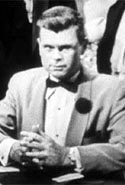
Barry Nelson(as F.X. Matowski)
Bataan
Released
1943
Bataan
Released
1943
Barry Nelson
(as F.X. Matowski)
Bataan Overview:
Bataan (1943) was a War - Film directed by Tay Garnett and produced by Dore Schary and Irving Starr.
SYNOPSIS
A group of doomed Americans and Filipinos hold a bridge against invading Japanese. Over-the-top flag waving made this a based-on-fact Hollywood blockbuster of the war era, despite a pretty fake-looking jungle.
(Source: available at Amazon AMC Classic Movie Companion).
Bataan BlogHub Articles:
Back to Bataan (1945)
Back to Bataan Directed by Edward Dmytryk Written by Ben Barzman and Richard H. Landau; Original Story by Aeneas MacKenzie and William Gordon 1945/USA RKO Radio Pictures First viewing/Netflix rental Bertha Barnes: [tearfully] No one ever learned it so well. For propaganda-combat, this takes the cake... Read full article
See More Bataan Articles
Bataan Quotes:
No Quote for this film.
Bataan Facts
See More Facts about Bataan >>
This is one of few contemporary World War II films to feature an American soldier who was an African-American. As such, the movie was not shown in parts of the American South. The book "The Films of World War II" notes that producer Dore Schary said that letters of complaint were received by the studio.
This is one of a handful of feature films that have featured the story of the World War II Battle of Bataan. They include So Proudly We Hail!; They Were Expendable and Back to Bataan.
The Call Bureau Cast Service lists Lynne Carver and Dorothy Morris as "Nurses", but they were not identifiable in the movie, although one nurse is seen from the rear and another in long-shot. Also Richard Derr was said to be a cast member and Mary Elliott a "Nurse" in contemporary news items; they also were not seen in the movie.
This film's dedication states that it is dedicated to the heroes of Bataan.
Brian Locke, in his article "Strange Fruit: White, Black, and Asian in the World War II Combat Film 'Bataan' " published in the "Journal of Popular Film and Television", states the film "successfully made white viewers aware . . . of the inherent sadism in the American lynching ritual" and in this film there was a shifting of "the respective relations of the black and the Asian to the white norm, as the film adjusted to a wartime context."