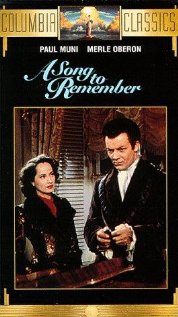

A Song to Remember (1945) |
|
| Director(s) | Charles Vidor |
| Producer(s) | Louis F. Edelman, Sidney Buchman |
| Top Genres | Biographical, Drama |
| Top Topics | Musicians, True Story (based on) |
Featured Cast of A Song to Remember See More »
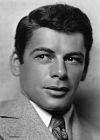
Paul Muni(as Prof. Joseph Elsner)
A Song to Remember
Released
1945
A Song to Remember
Released
1945
Paul Muni
(as Prof. Joseph Elsner)
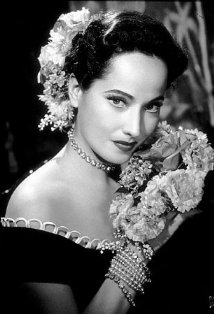
Merle Oberon(as George Sand)
A Song to Remember
Released
1945
A Song to Remember
Released
1945
Merle Oberon
(as George Sand)
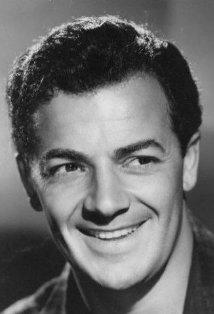
Cornel Wilde(as Frédéric Chopin)
A Song to Remember
Released
1945
A Song to Remember
Released
1945
Cornel Wilde
(as Frédéric Cho...)
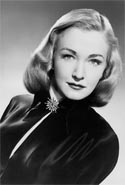
Nina Foch(as Constantia)
A Song to Remember
Released
1945
A Song to Remember
Released
1945
Nina Foch
(as Constantia)
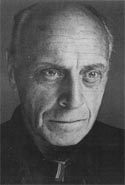
George Coulouris(as Louis Pleyel)
A Song to Remember
Released
1945
A Song to Remember
Released
1945
George Coulouris
(as Louis Pleyel)
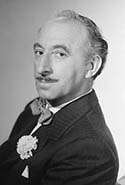
Sig Arno(as Henri Dupont)
A Song to Remember
Released
1945
A Song to Remember
Released
1945
Sig Arno
(as Henri Dupont)
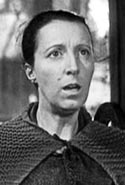
Fern Emmett(as Madame Lambert)
A Song to Remember
Released
1945
A Song to Remember
Released
1945
Fern Emmett
(as Madame Lambert)

Franklyn Farnum(as Guest at Pleyel Hall Concert)
A Song to Remember
Released
1945
A Song to Remember
Released
1945
Franklyn Farnum
(as Guest at Pleyel Hall C...)
A Song to Remember Overview:
A Song to Remember (1945) was a Biographical - Drama Film directed by Charles Vidor and produced by Louis F. Edelman and Sidney Buchman.
Academy Awards 1945 --- Ceremony Number 18 (source: AMPAS)
| Award | Recipient | Result |
| Best Actor | Cornel Wilde | Nominated |
| Best Cinematography | Tony Gaudio, Allen M. Davey | Nominated |
| Best Film Editing | Charles Nelson | Nominated |
| Best Music - Scoring | Miklos Rozsa, Morris Stoloff | Nominated |
| Best Writing | Ernst Marischka | Nominated |
A Song to Remember BlogHub Articles:
No article for A Song to Remember at this time. Submit yours here.
A Song to Remember Quotes:
George Sand:
[to Chopin] Discontinue that so-called Polonaise jumble you've been playing for days.
Prof. Joseph Elsner:
What's going on here? Is the reception over?
Alfred DeMusset: For some people, yes. For others, just beginning.
See More Quotes from A Song to RememberAlfred DeMusset: For some people, yes. For others, just beginning.
A Song to Remember Facts
See More Facts about A Song to Remember >>
To play Chopin's piano solos,Columbia Pictures first attempted to engage Artur Rubinstein, then Vladimir Horowitz. Rubinstein was offended when he was greeted by Columbia president Harry Cohn with a boisterous "Hiya, Ruby!" Horowitz got along better with Cohn, but did not wish to perform the severely cut versions of the Chopin pieces the film required.
Darren McGavin's film debut.
Liberace, who was in 1945 performing as "Freddy Fingerbuster," stated that he got the idea of having an ornate candelabra on his piano from the scene in this film when Merle Oberon carries a candelabra into the darkened salon and places it on the piano to reveal Chopin as the pianist rather than Franz Liszt.