
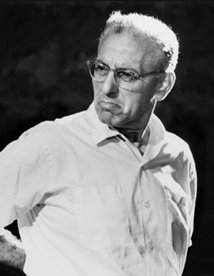

Birthname: George Dewey Cukor
| Sign | Cancer |
| Born |
Jul 7, 1899
New York City, NY |
| Died |
Jan 24, 1983
Los Angeles, CA |
| Age | Died at 83 |
| Final Resting Place Forest Lawn (Glendale) | |
George Cukor |
|
| Job | Director |
| Years active | 1930-81 |
| Known for | Woman's director |
| Top Roles | Man on Train |
| Top Genres | Drama, Romance, Comedy, Film Adaptation, Musical, Family |
| Top Topics | Based on Play, Book-Based, Romance (Comic), Socialites, Romance (Drama) |
| Top Collaborators | Henry Daniell (Actor), Katharine Hepburn (Actress), Spencer Tracy (Actor), Judy Holliday (Actress), Constance Bennett (Actress), Grady Sutton (Actor), Whit Bissell (Actor), Franklyn Farnum (Actor) |
| Also Born on July 7 | |
| Also Born in 1899 | |
| Also Born in New York | |
| Also a Cancer | |


George Cukor Overview:
Legendary director, George Cukor, was born George Dewey Cukor on Jul 7, 1899 in New York City, NY. Cukor died at the age of 83 on Jan 24, 1983 in Los Angeles, CA and was laid to rest in Forest Lawn (Glendale) Cemetery in Glendale, CA.
MINI BIO:
Despite an obvious predilection (and talent) for extracting the maximum warmth and character from major female stars, George Cukor stubbornly resisted the attempts of many critics to pigeonhole his talent. He created many films with characters one cares about, despite an often artificial setting, and all of his pictures were major studio (mostly MGM) productions.
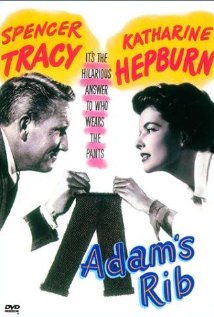
He worked in the theatre from 1919, initially as stage manager, then as director from 1923. Brought to Hollywood in 1929 more or less as a dialogue director, Cukor's reputation as a 'woman's director' began in 1932 with What Price Hollywood, a scathing look at the film capital with Constance Bennett, and A Bill of Divorcement which introduced Katharine Hepburn. The Cukor/Hepburn association continued to flower in films such as Little Women, Holiday, Adam's Rib, The Philadelphia Story and Pat and Mike. Cukor also extracted above-average performances from Jean Harlow (in Dinner at Eight), Claudette Colbert (in Zaca), Joan Crawford (in a Woman's Face), Ingrid Bergman (in Gaslight), Judy Holliday (in Born Yesterday) and Judy Garland (in A Star is Born).
(Source: available at Amazon Quinlan's Film Directors)HONORS and AWARDS:
.
George Cukor was nominated for five Academy Awards, winning one for Best Director for My Fair Lady in 1964.
Academy Awards
| Year | Award | Film name | Role | Result |
| 1932/33 | Best Director | Little Women (1933) | N/A | Nominated |
| 1940 | Best Director | The Philadelphia Story (1940) | N/A | Nominated |
| 1947 | Best Director | A Double Life (1947) | N/A | Nominated |
| 1950 | Best Director | Born Yesterday (1950) | N/A | Nominated |
| 1964 | Best Director | My Fair Lady (1964) | N/A | Won |
He was honored with one star on the Hollywood Walk of Fame in the category of Motion Pictures.
George Cukor BlogHub Articles:
Adam’s Rib (1949, George Cukor)
Adam’s Rib has a great script (by Ruth Gordon and Garson Kanin), but outside director Cukor not being as energetic as he could be—he might’ve been able to compensate—the script is the biggest problem with the film. There are the really obvious problems, like when Spencer Tracy gets reduced t... Read full article
Gaslight (1944, George Cukor)
See More George Cukor Articles